(re)Imagining worship together
1001 NWC annual gathering experiments with rituals centered on art, conversation, sketch comedy and dramatic reimagining of Scripture

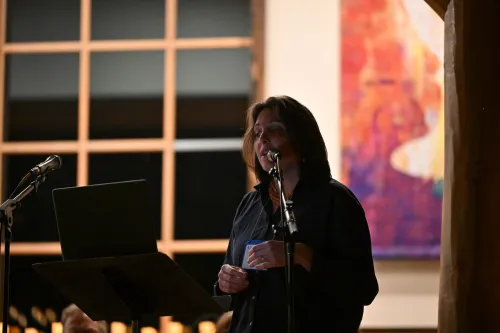
ESTES PARK, Colorado — At the 1001 New Worshiping Communities gathering in Estes Park, worship took many forms, deepening this movement’s vision to reimagine church and create rituals that resonate with the next generation. The gathering’s theme, “(re)considering Jesus,” invited participants to notice how faith takes shape in community and to imagine what the future church might become.
As “vibe coordinator” for the sanctuary space, the Rev. Katrina Zezza helped shape the worship space as a place for that imagination. “At the heart of the 1001 movement is an invitation we give each other to dream about the future of the church,” said Zezza. “Let’s dream together about what’s possible.”
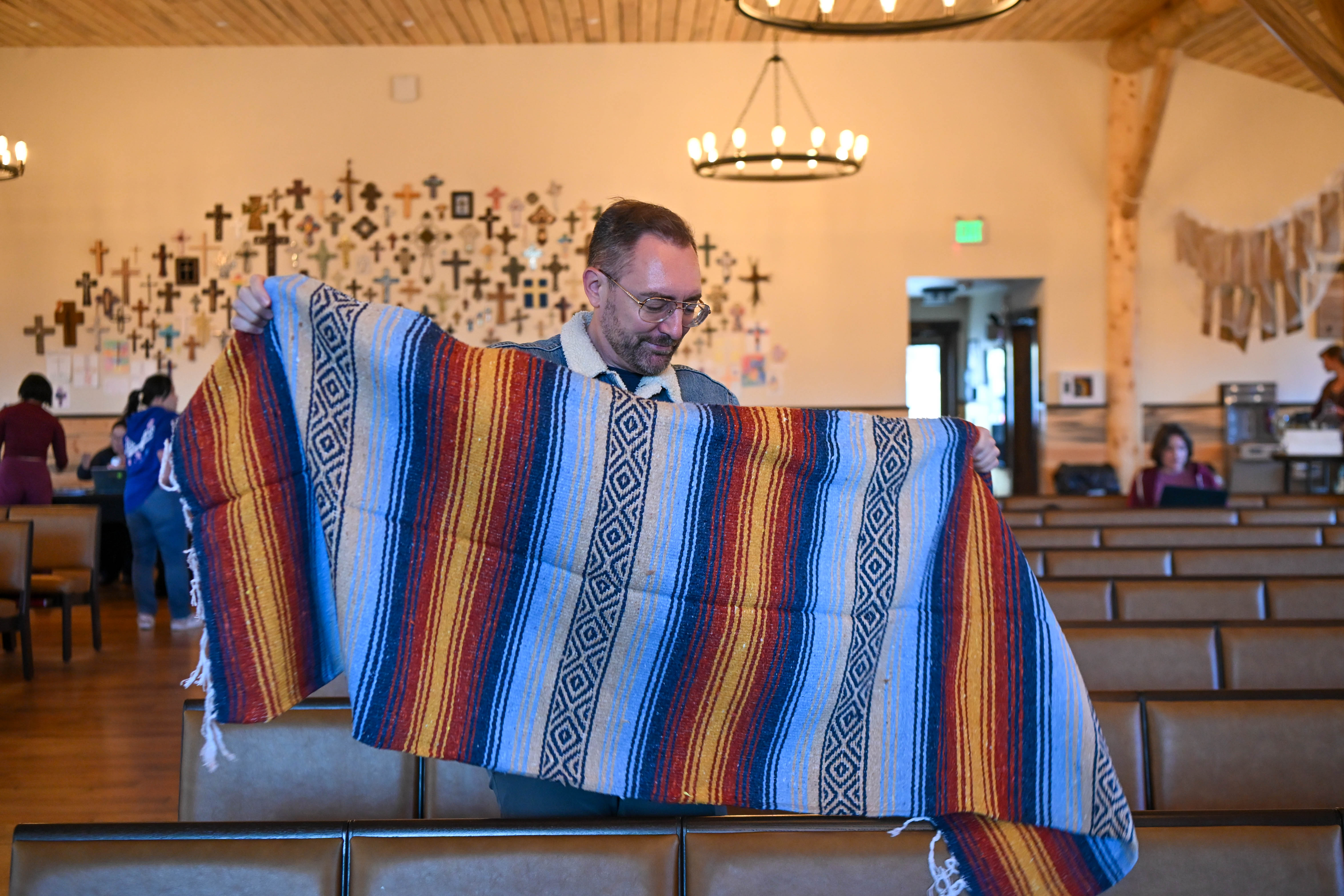
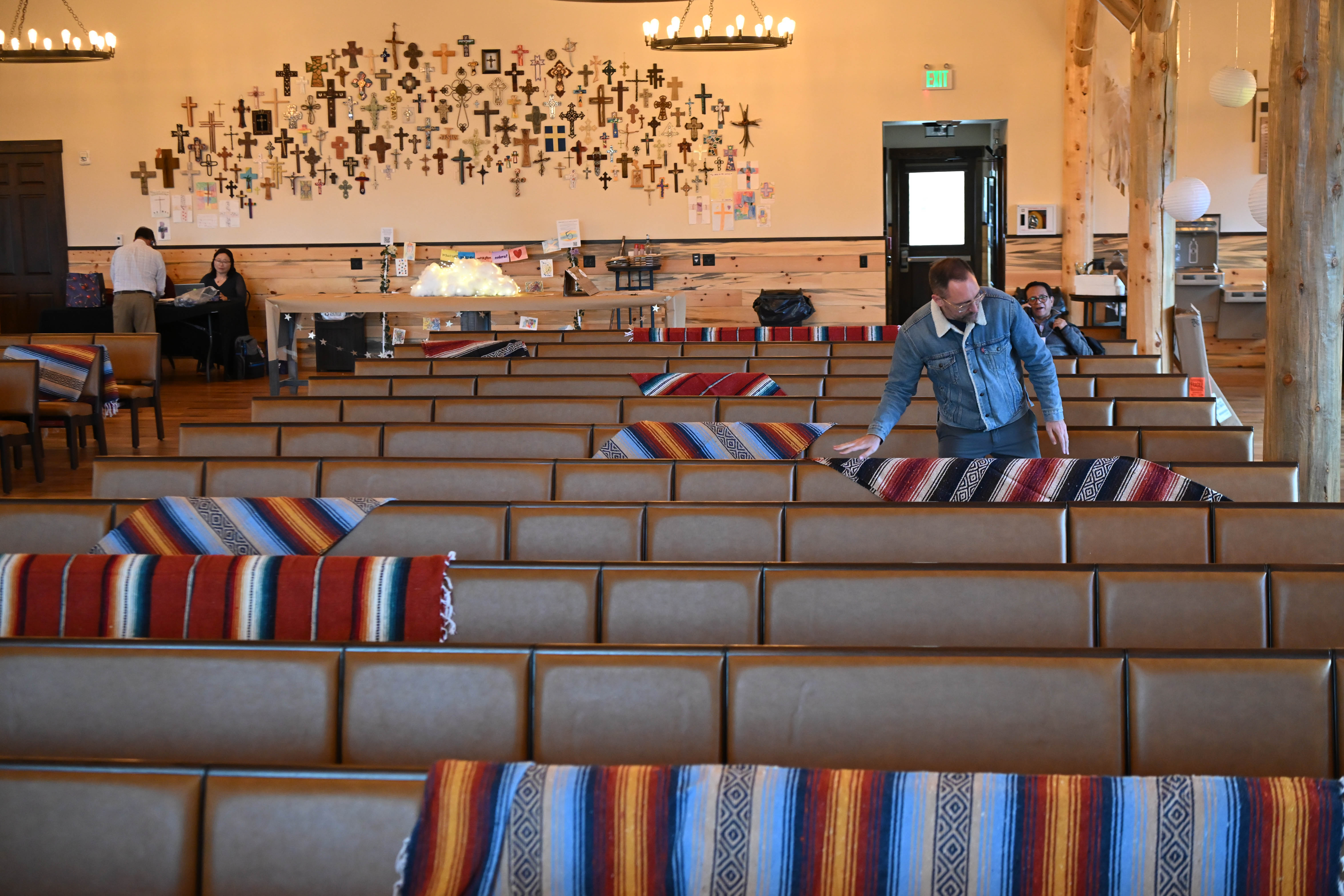
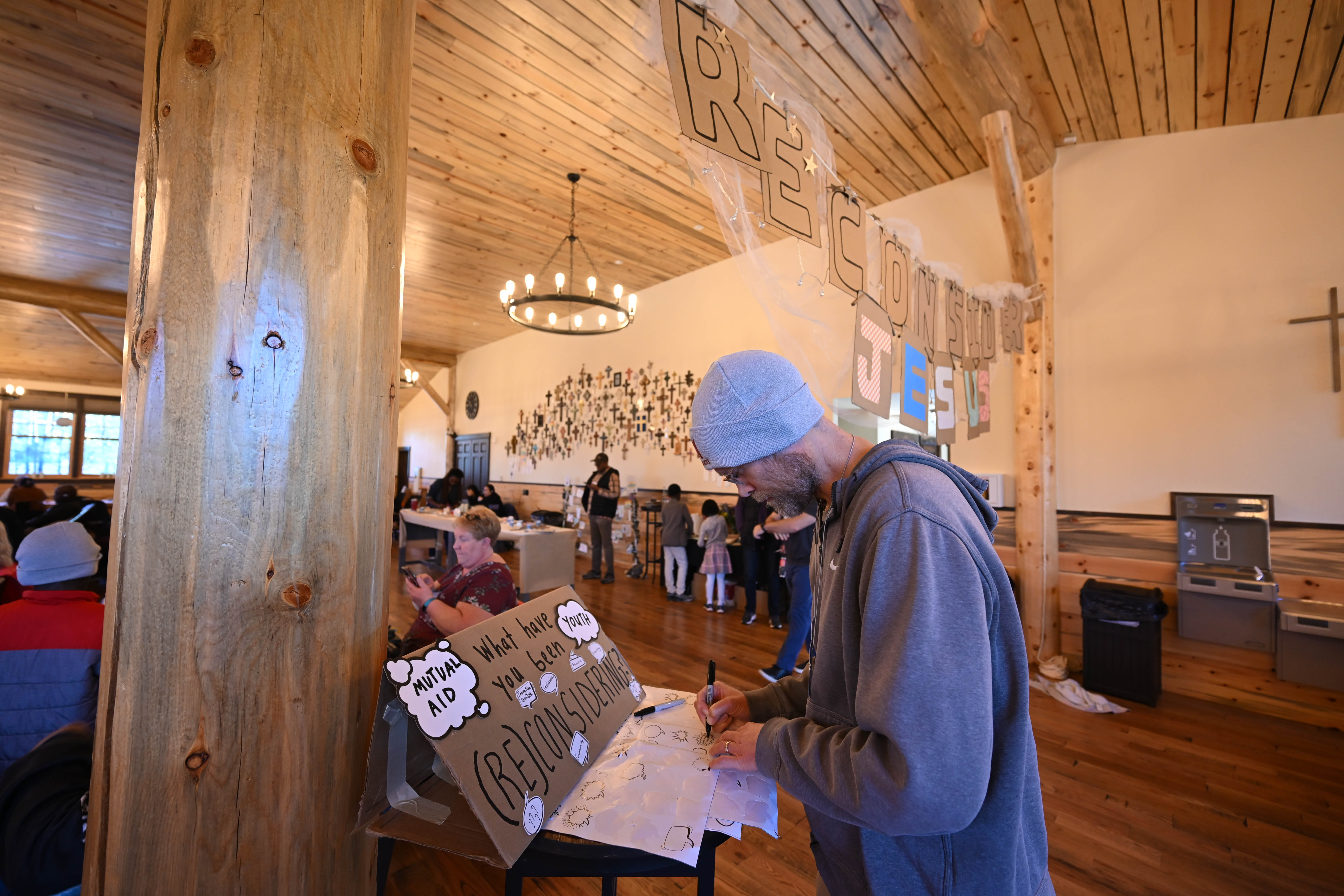
Zezza decorated the chapel and invited participants to consider what a spiritual home could look and feel like. Serapes on the pews, cloud-shaped stickers, and space to share ideas helped make the sanctuary welcoming and participatory. Participants could write on butcher paper about what they were building, deconstructing or reconstructing in their communities. Zezza invited participants to wear a cloud-shaped "thought bubble" sticker to spark conversations with others throughout the event.
-
Image
 The Rev. Katrina Zezza sets up chancel space in Hyde Chapel of YMCA of the Rockies
-
Image
 The Rev. Michael Gehrling holds a serape wrap at 1001 NWC annual gathering while preparing the worship space.
-
Image
 The Rev. Michael Gehrling decorates worship space with serapes at 1001 NWC annual gathering.
-
Image
 Thought bubble stickers greet worshipers at 1001 NWC Annual Conference 2026
-
Image
 The Rev. Johny Edmonton fills out a thought bubble at 1001 NWC annual gathering worship space

-
Image
-
Image
-
Image
-
Image
-
Image
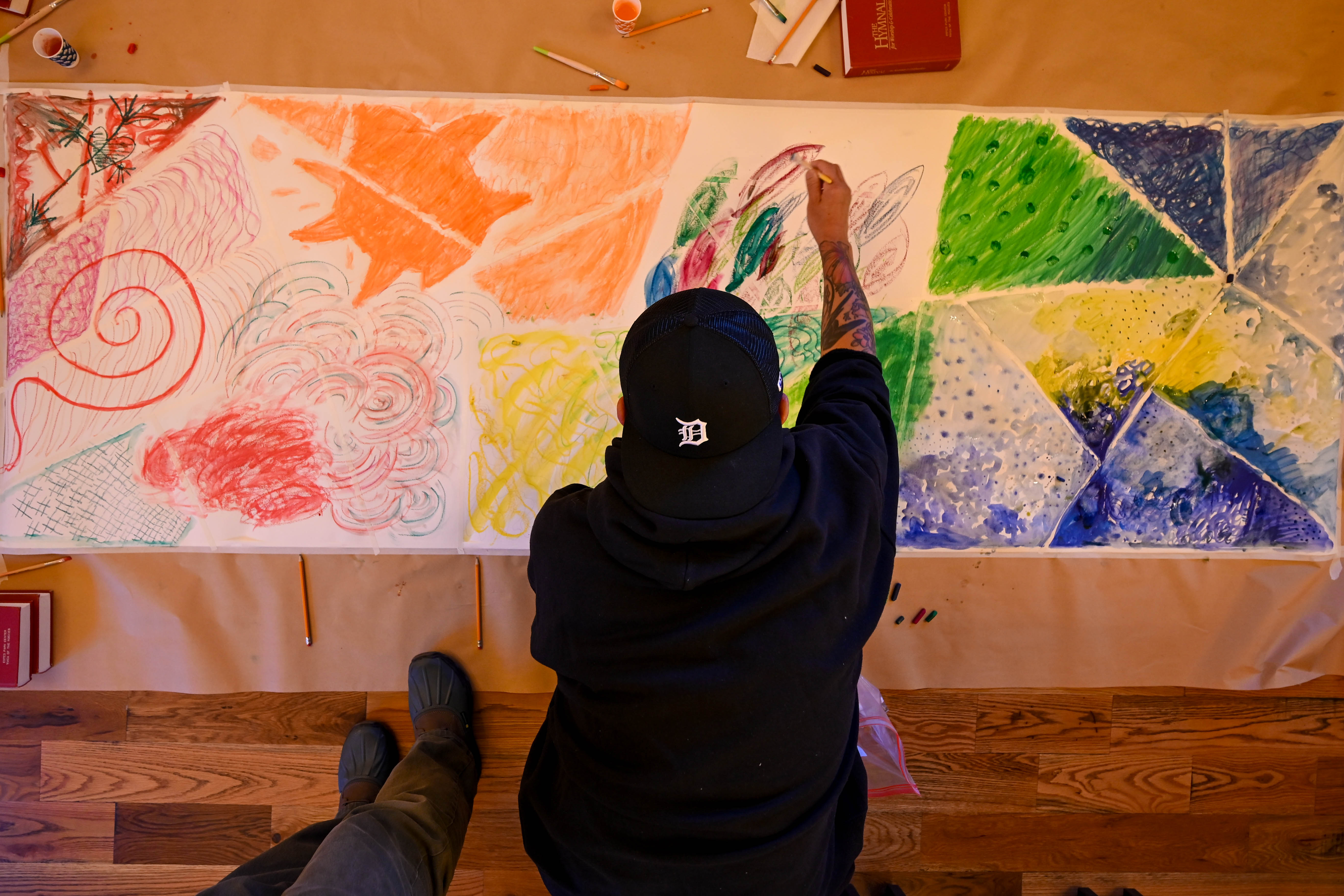
Tuesday morning worship introduced a communal art practice, with participants invited to make marks with water color pencils and paint then move between tables and add layers to one another’s work. Framed as an invitation to “try this and see what happens,” the exercise offered a participatory ritual centered on experimentation, shared creation, and freedom from pressure to be original or perfect.
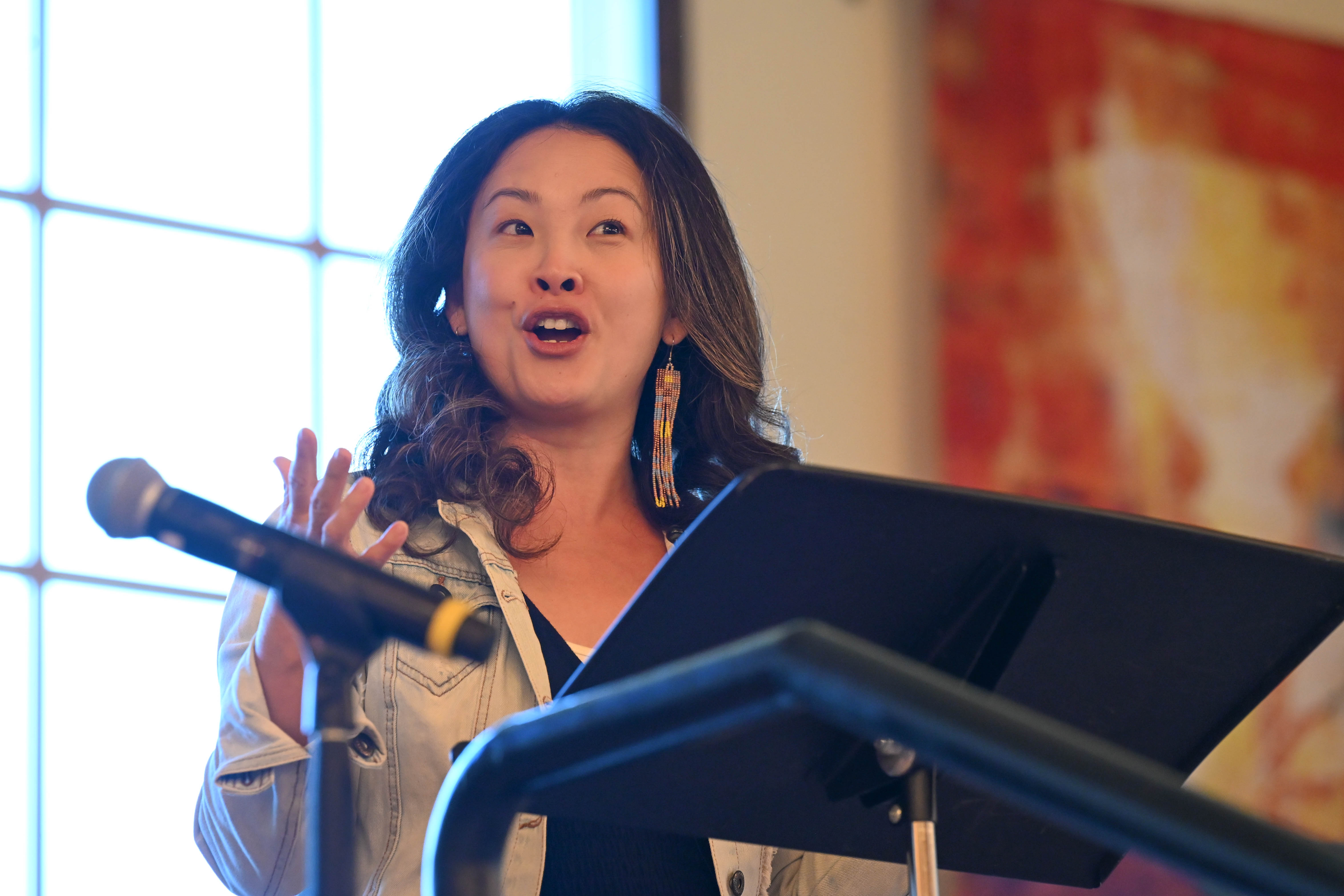
The Rev. Ruth Lin Nakai, leader of The Weaving Table in Chicago, facilitated Tuesday morning’s worship under the title “An Invitation to a Creative Faith.” She approached the gathering’s theme of reconsidering Jesus through creativity, grace and freedom, drawing on the First Nations translation of the name of Jesus as “Creator Sets Free.” Nakai described creativity as a force that “lives within each of us and calls out to our lives.” In a reimagining of the gathering's central Biblical text, Hebrews 12, she invited the community to “dance with zeal,” sing, paint and create as expressions of faith.
Nakai framed the liturgical exercise as a model of ritual that welcomed experimentation and shared creation. “The invitation is not to be as original as possible. It's simply to make marks and to see what happens.”
-
Image
 Rev. Katrina Zezza and child paint on floor during art centered worship at 1001 NWC national gathering.
-
Image
 The Rev. Ruth Lin Nakai presents art-based worship at the 1001 NWC national gathering.
-
Image
 Worshipers paint on tables at the 1001 NWC national gathering.
-
Image
 Worshiper paints with water color on floor of Hyde Chapel at the YMCA of Rockies.
-
Image
 An open invitation to paint on back tables remained throughout the week at 1001 NWC annual gathering.
-
Image
 Worshipers create mosaics by adding to others' layers through a multi-staged communal art liturgy.
-
Image
-
Image
-
Image
-
Image
-
Image
-
Image
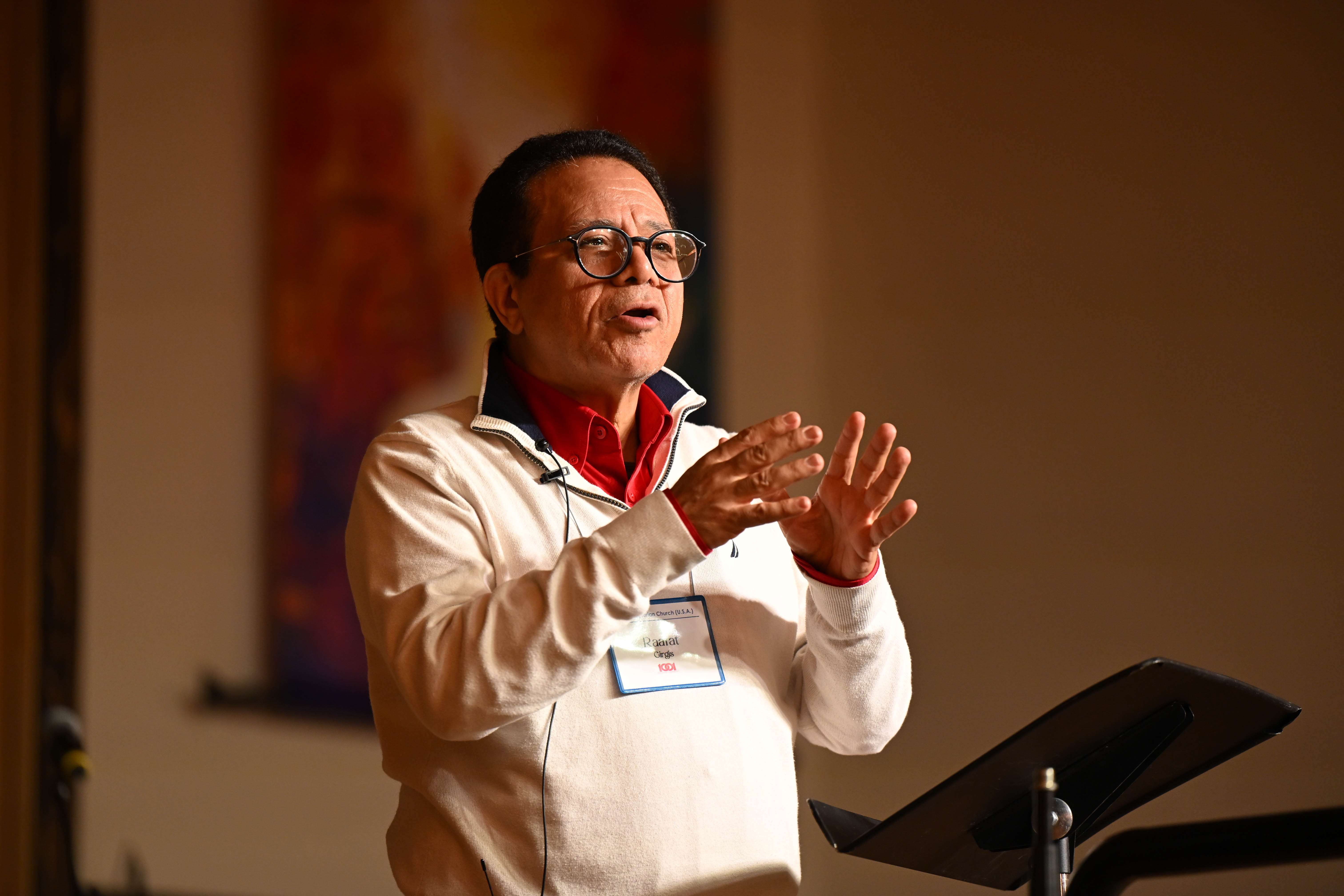
Tuesday evening worship experimented further with Hebrews 12:1-3. The Rev. Raafat Girgus invited attendees to consider Jesus as one who gathers rather than scatters. Originally from Egypt, Girgus has extensive experience as a seminary professor and directing the multicultural ministries at the denominational level of the PC(USA). He currently serves as founding pastor of All People Intercultural Community, a new worshiping community near Denver.
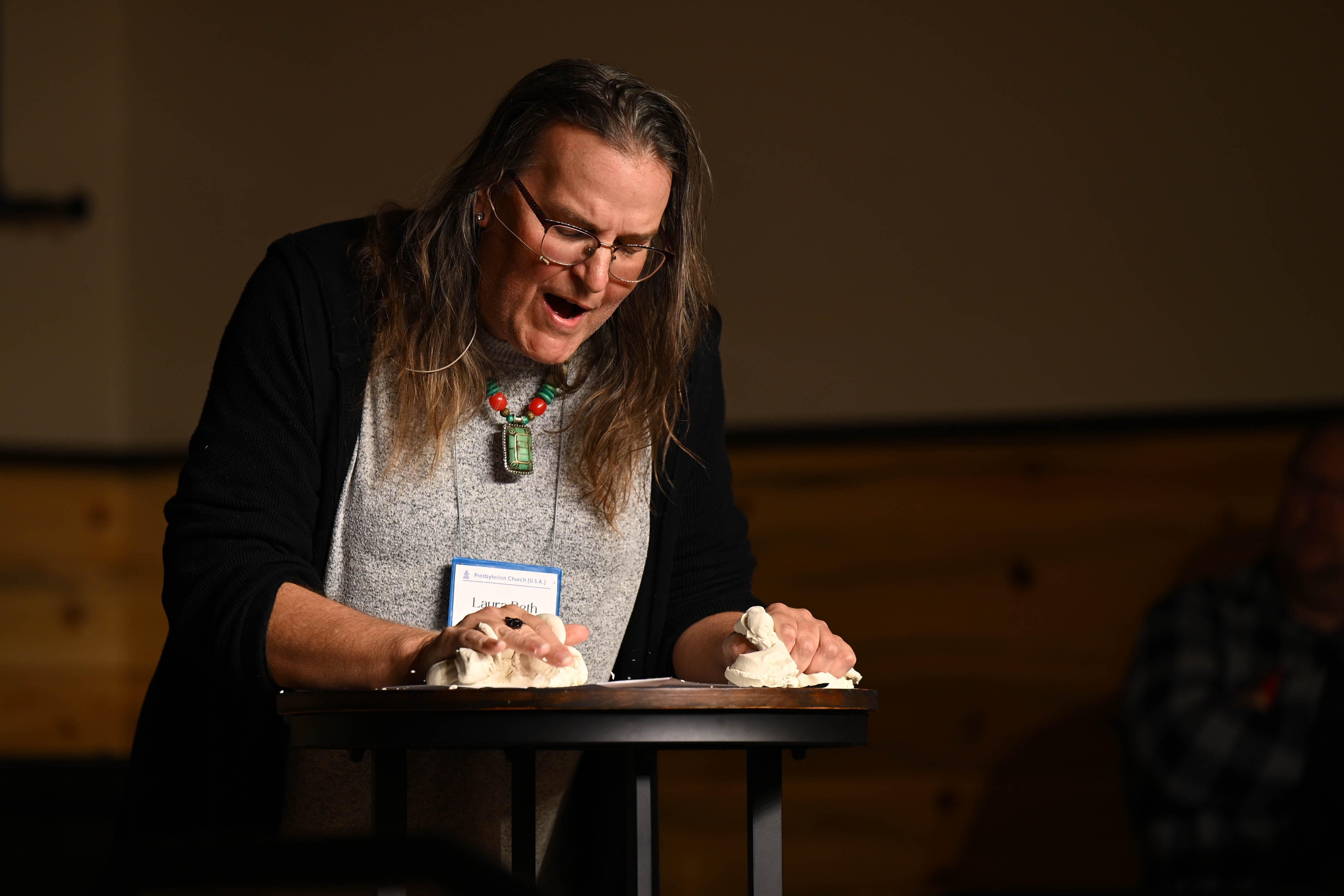
The worship team combined song, personal storytelling and participatory movement to encounter the gathering presence of Jesus. After singing “There is room at the table for everyone,” participants recalled and shared their first encounters with Jesus and Christian community through a liturgical model called (re)Play, developed by the Rev. Laura Beth Buchleiter.
The Word was proclaimed not by preaching alone but by group improvisational games. Girgus helped participants practice listening and building on one another’s ideas through “Yes...and” improvisational conversational techniques and group movement exercises.
The service’s diverse models of ritual and reflection, including shared music, embodied exercises and conversation embodied the theme of gathering. Community was practiced as a place where differences could meet and belong.
-
Image
 "Yes, And" balloons greet worshipers before an improvisational worship service.
-
Image
 The Raafat Girgus introduces improvisational exercises at the 1001 NWC national gathering.
-
Image
 The Rev. Jeff Eddings, associate for spiritual formation and coaching for 1001 NWC, demonstrates the "Yes...And" conversational style of improvisation.
-
Image
 Worshipers laugh during "Yes...And" conversational exercises.
-
Image
 Girgus directs a group of volunteers to create a tableaux of poses then invites the crowd to name the "statue" as it shifts with each additional volunteer posing.
-
Image
 Participant mirrors the Rev. Arelis Figueroa's prayer pose in a group game of "statues."
-
Image
 Two volunteers striking praying poses turn into a resurrection scene after extra volunteers add a body in a grave and an angelic presence to the scene.



-
Image
-
Image
-
Image
-
Image
-
Image
-
Image
-
Image

• “I was thinking we should build a rocket to go to the moon," replied the Rev. Jeff Eddings.
• “Yes, and you know that most of our songs in Egypt are about the moon," said Girgus.
• “Yes, and the moon is a place I think we can start a new worshiping community," concluded Eddings.

Girgus presented “Yes, and” as a practice of listening, receiving another person’s idea, and making room for possibilities to develop. He warned that “Yes, but” can become “the vocabulary of institutional decline,” and described it as “functioning as a sophisticated no.”
“This does not mean we say yes to everything. Discipline matters, boundaries matter, wisdom matters.” The challenge, Girgis said, is to distinguish discernment from defensiveness and to ask, “Yes, and what if we try it?” and “Yes, and who else should be at the table?”
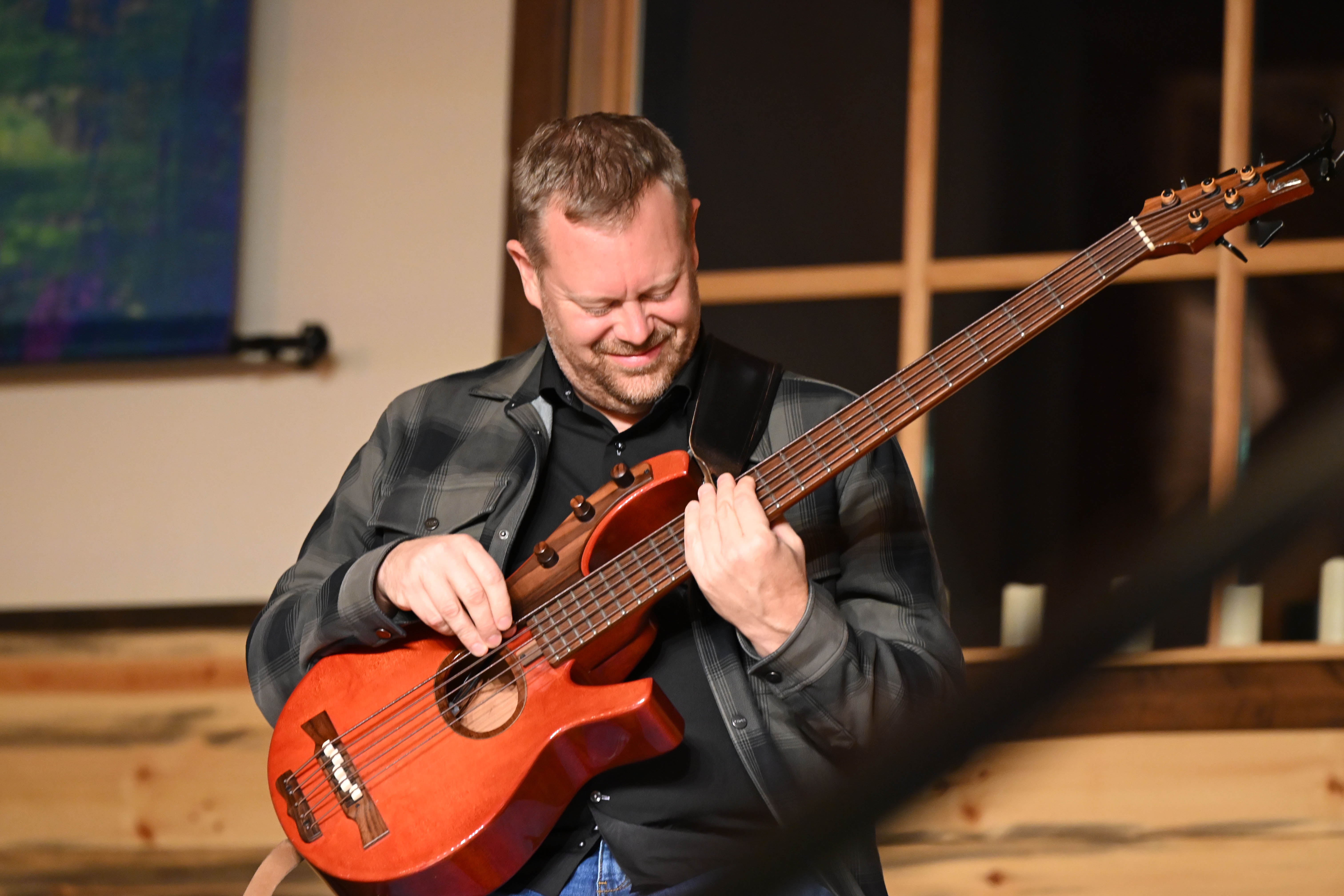
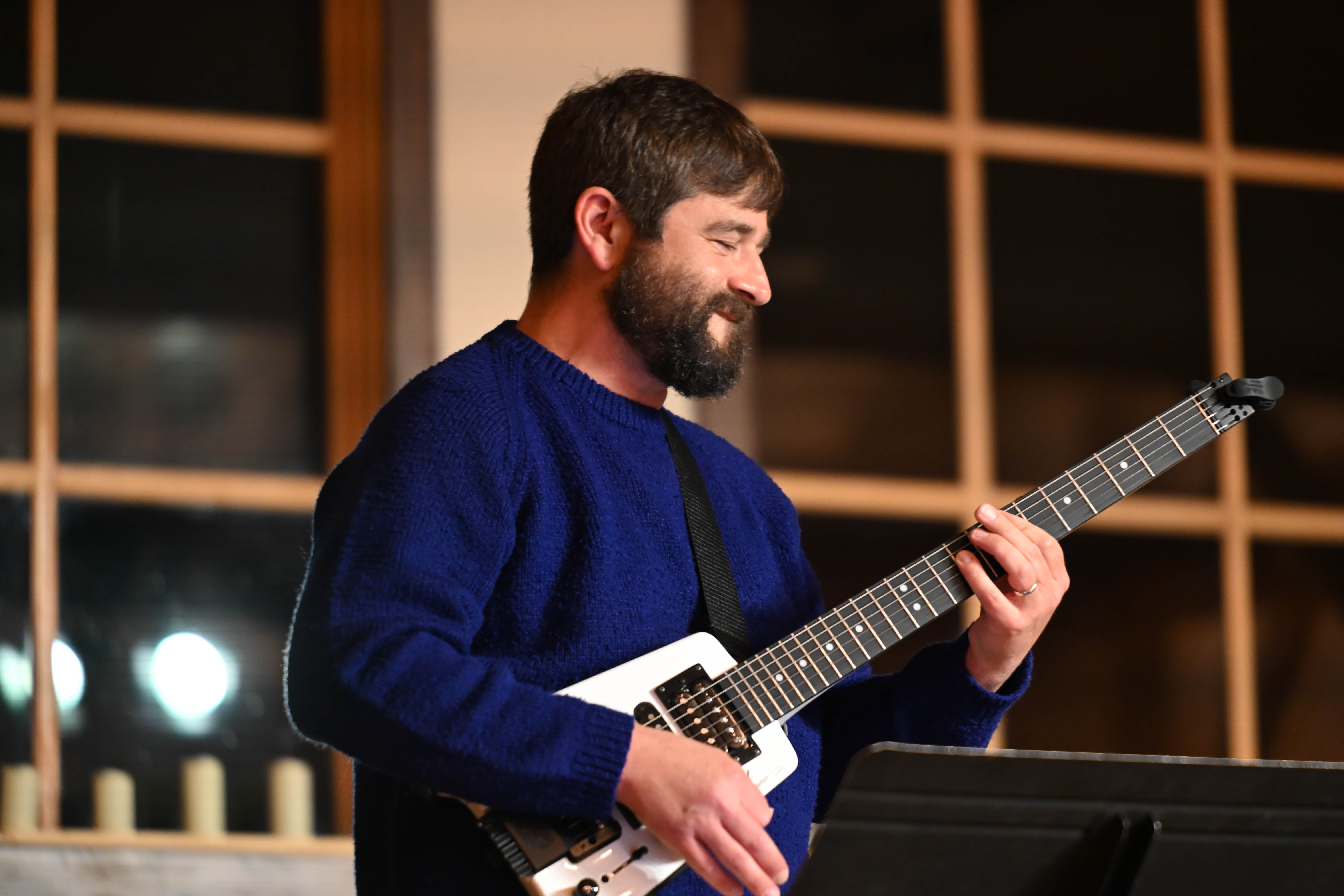
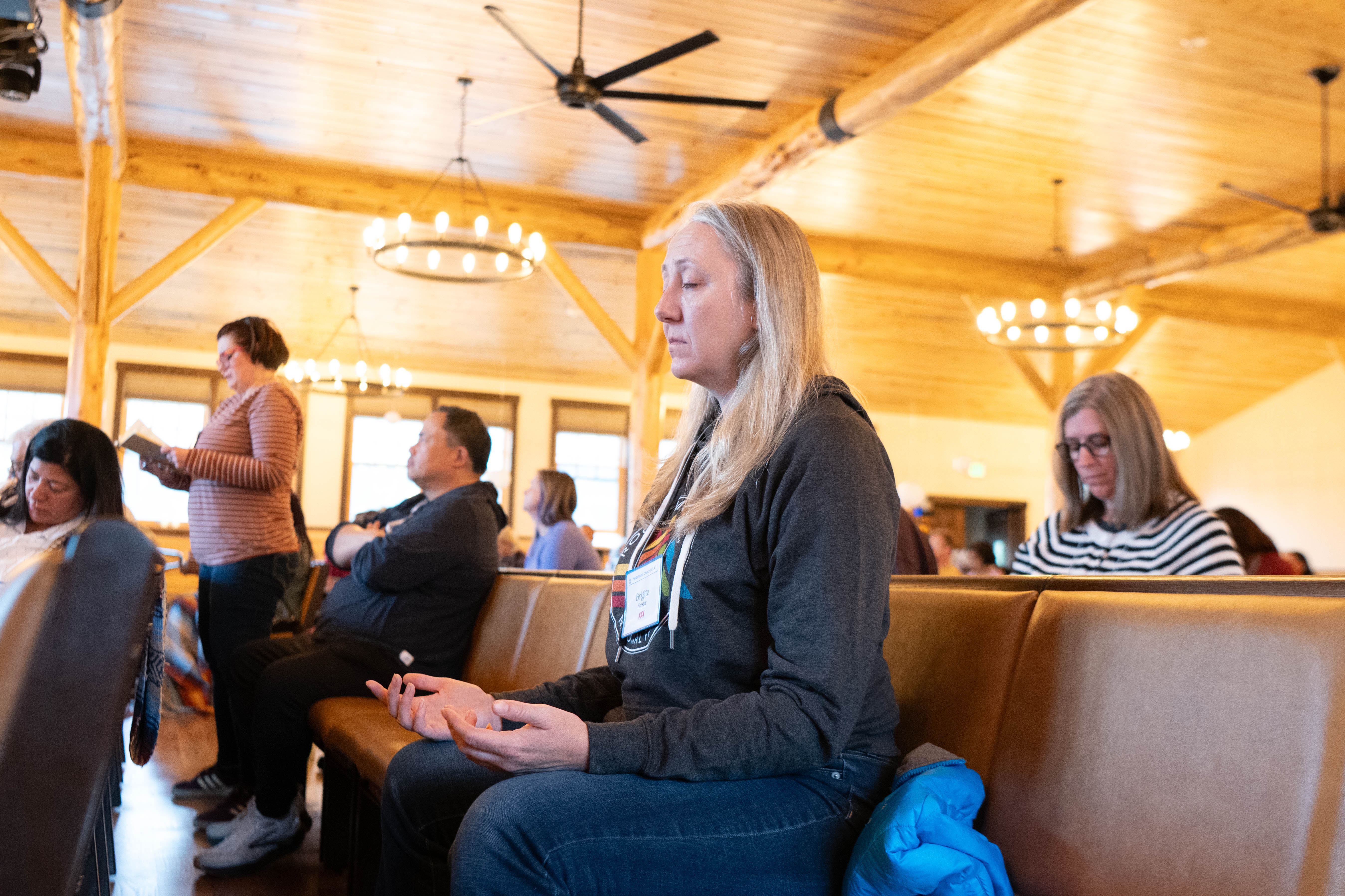
Wednesday morning worship featured a contemplative style service with an invitation for visio divina through a slideshow entitled "Transformations for the Weary" prepared by Chris Dingman and the improvisational atmospheric jazz of Ike Sturm and Jesse Lewis. Sturm founded the New York City-based new worshiping community, Finding Our Way Home, and has composed a 16-movement choral and orchestral piece commissioned by Montview Boulevard Presbyterian Church in Denver.
-
Image
 Ike Sturm plays the bass during worship at the 1001 New Worshiping Communities annual gathering
-
Image
 Jesse Lewis plays guitar during a contemplative service that pairs ambient music with time for reflection.
-
Image
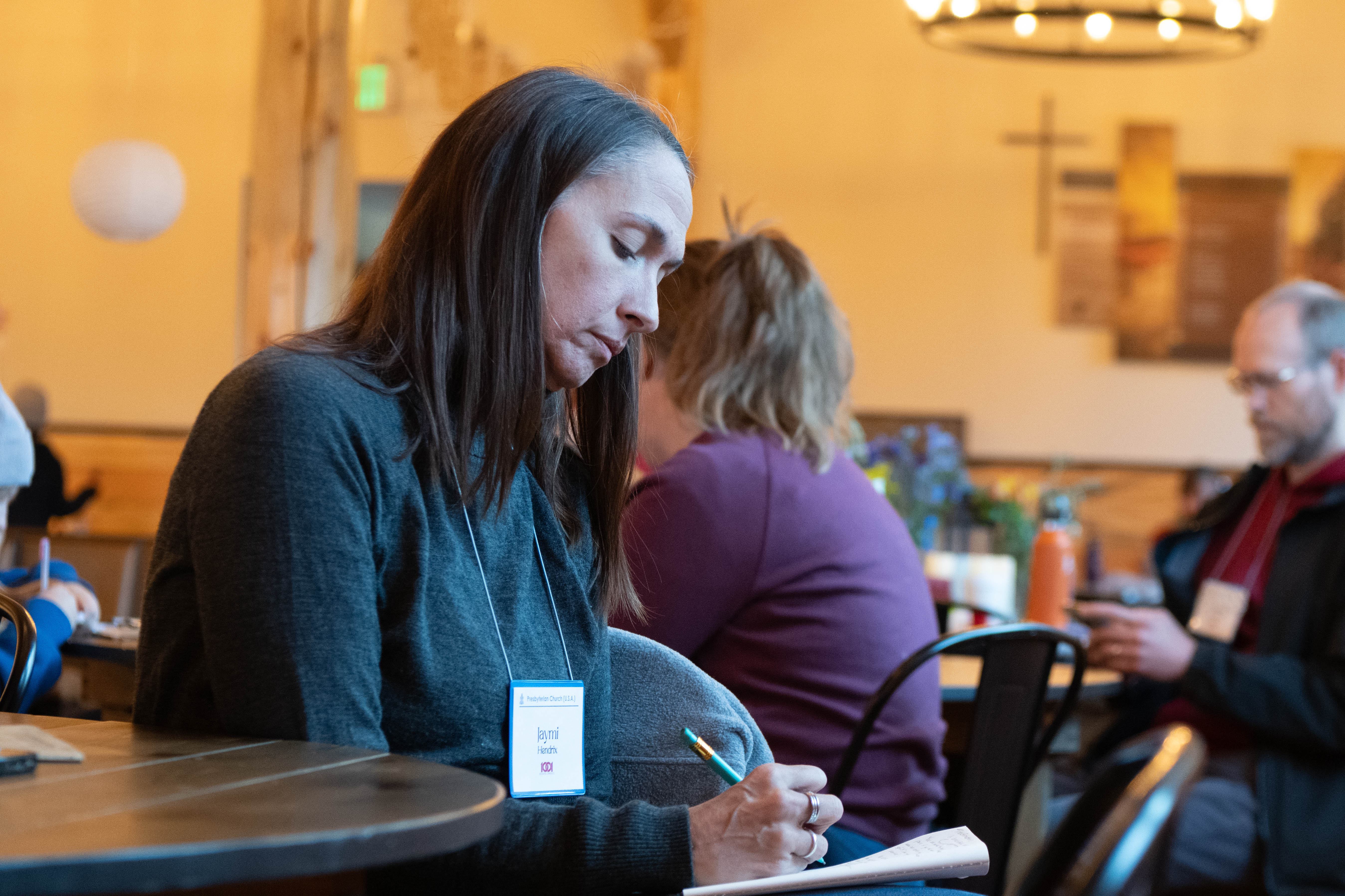
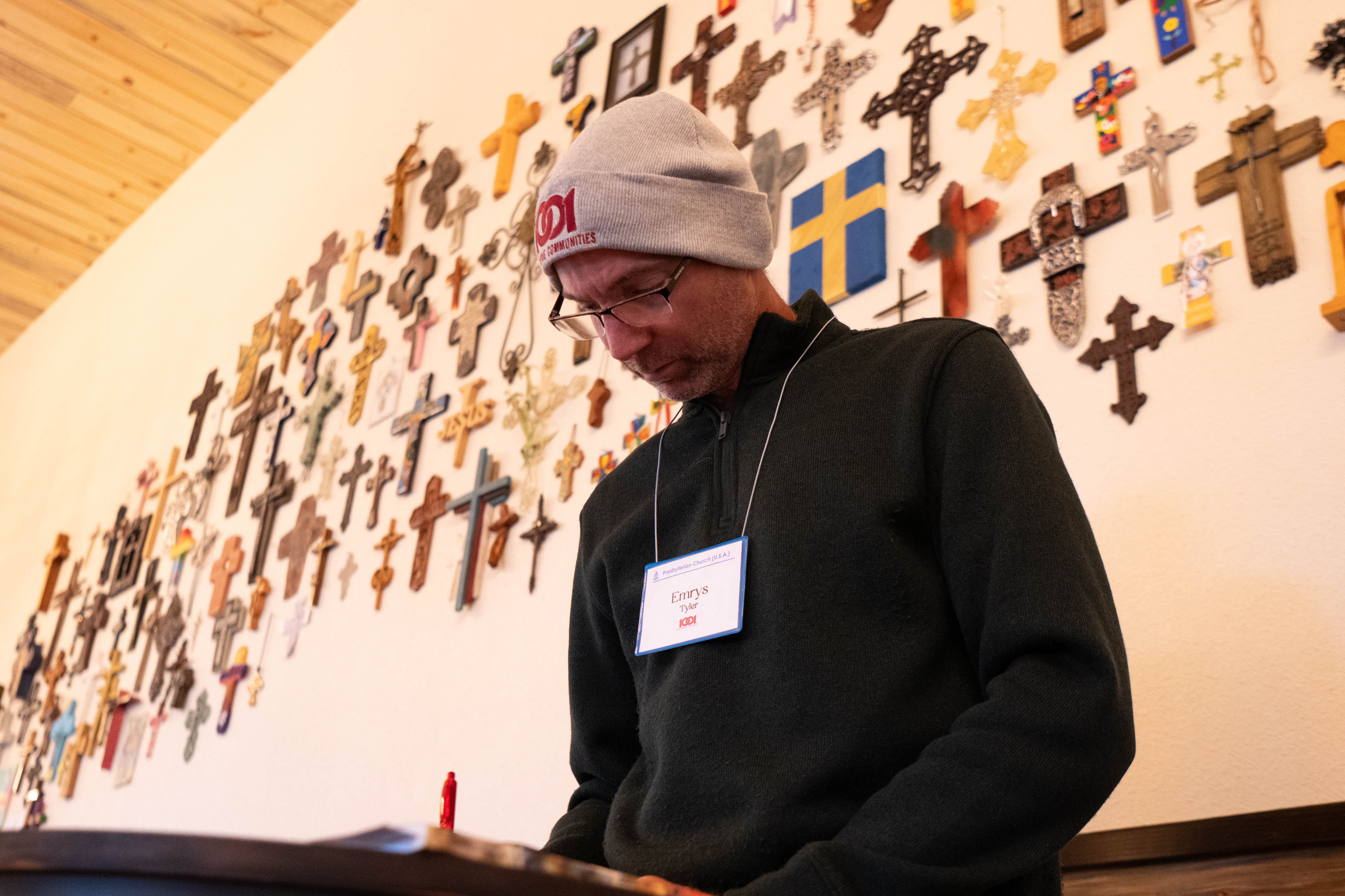
 Participants journal during contemplative service.
-
Image
 Participants are invited to stand or sit to journal during contemplative service.
-
Image
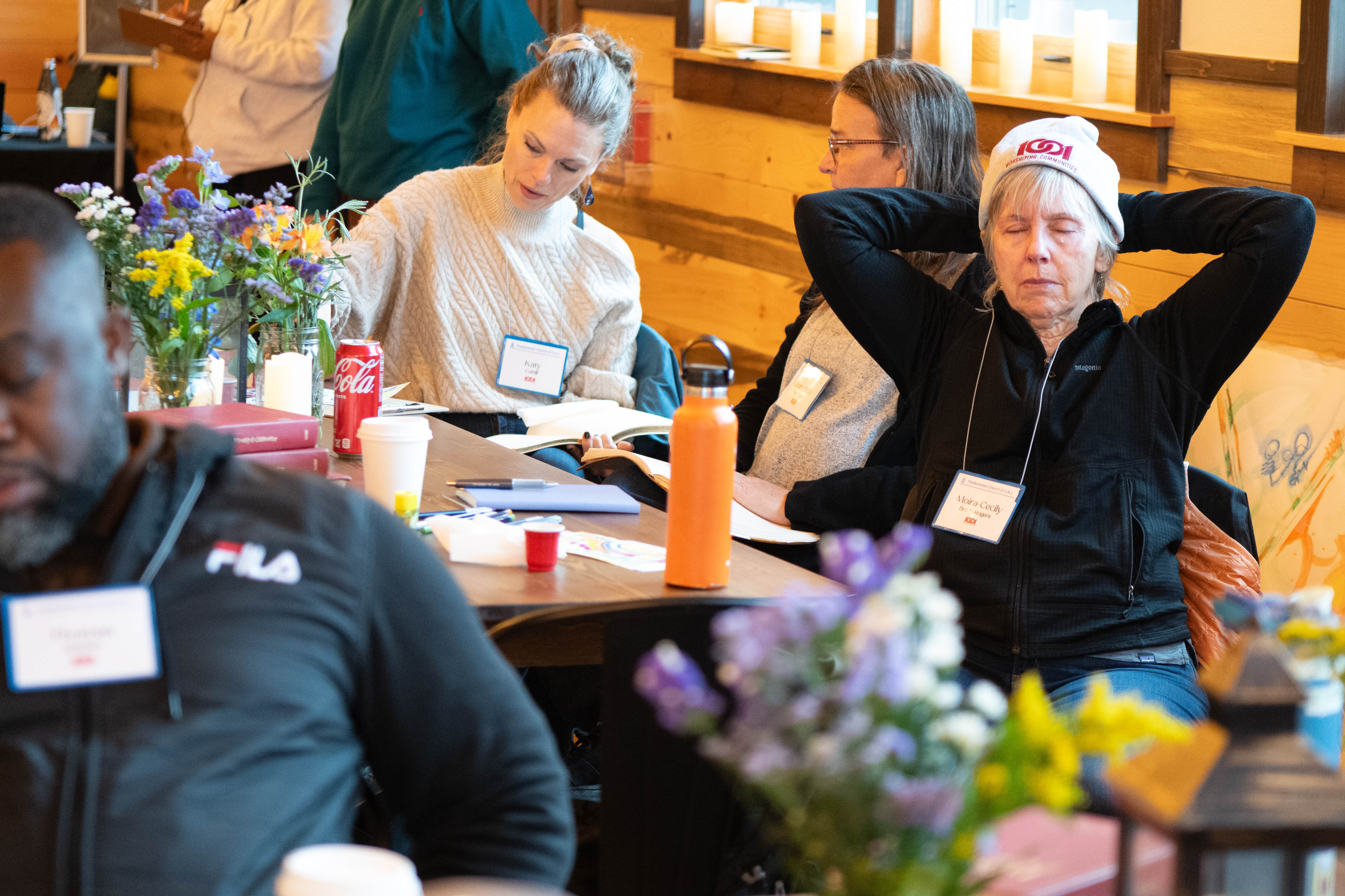
 Groups of meditators gather around a table in contemplative style service.
-
Image
 People in pews engage in visio divina and meditation during contemplative style service.
-
Image
-
Image
-
Image
-
Image
-
Image
-
Image
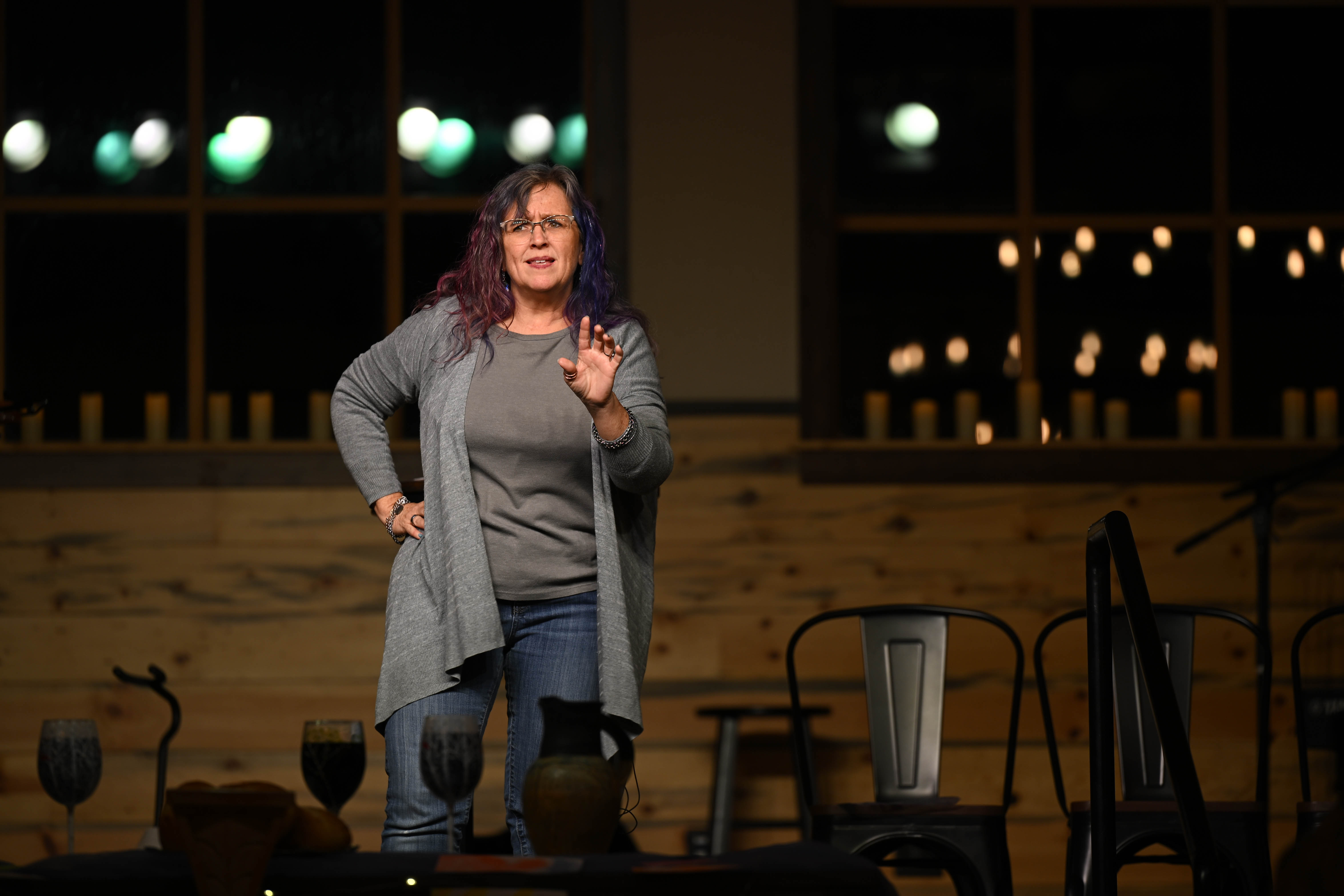
Rooted in Jeremiah 29’s letter to the exiles, the service on Wednesday evening invited worshipers to reconsider Babylon and “try to find what God is doing in and through you” amid uncertainty. The exiles’ charge to build, plant and seek the city’s welfare offers a resonant frame for 1001 New Worshiping Communities, particularly communities living on the margins of the institutional church or ministering to immigrants. Rather than waiting for ideal circumstances, Buchleiter suggested that the exiled can cultivate faith and community where they are. Through a dramatic staged lectio divina practice, Rachel Doll performed the passage three times, as Buchleiter invited listeners to consider it through the lenses of body and time, soul and mystery, as well as a frame of evolving wholeness.
“I am whole and seeking wholeness,” Buchleiter said, offering a mantra for participants to consider wholeness like the "already and not yet" reality of the kin-dom of God.
The proclamation of the Word was explored theological reflection through a dramatic performance written and performed by Buchleiter and the worship band. Buchleiter portrayed an immigrant baker in Babylon with Sturm on bass as the voice of Daniel and Lewis on electric guitar representing the collective voice of Babylon.
-
Image
 Rachel Doll enacts a letter written to the exiles in Babylon
-
Image
 The Rev. Laura Beth Buchleiter portrays a baker rebuilding a life in Babylon after being exiled Jerusalem.
-
Image
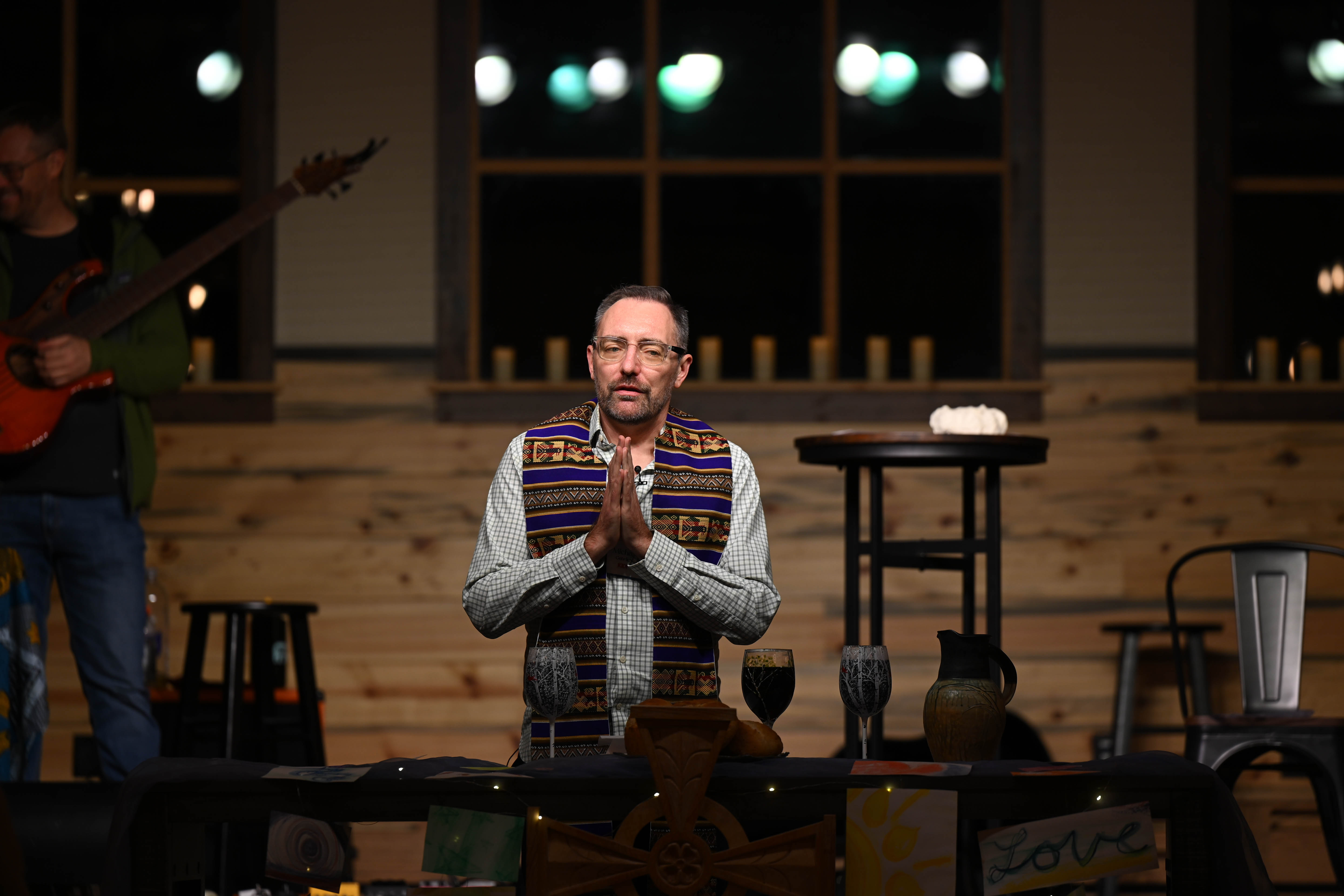
 The Rev. Michael Gehrling, manager of 1001 New Worshiping Communities presides over closing communion at the 2026 national gathering.
-
Image
-
Image
-
Image
During his invitation to communion, the Rev. Michael Gehrling, manager of 1001 New Worshiping Communities, acknowledged that “the table is complicated” and has “been used to exclude and hold power over others,” then described the present gathering’s table as unique. “Since this table is made for those gathered here in this room, it is a table that could not have existed and will never exist again.”
Gehrling then invited participants to the front to take communion by intinction followed by prayer and anointing as they prepared to take the experiences of belonging, the inspiration for new rituals and the creative reflections on Scripture back to their communities and unique contexts.

The Rev. Michael Gehrling, who became manager of the 1001 New Worshiping Communities movement in September, welcomes new worshiping leaders to the table at the 2026 national gathering
You may freely reuse and distribute this article in its entirety for non-commercial purposes in any medium. Please include author attribution, photography credits, and a link to the original article. This work is licensed under a Creative Commons Attribution-NonCommercial-NoDeratives 4.0 International License.