Presbyterian Disaster Assistance and its partners offer webinar on trauma-informed care
Participants are given tools to support those who have experienced disaster trauma
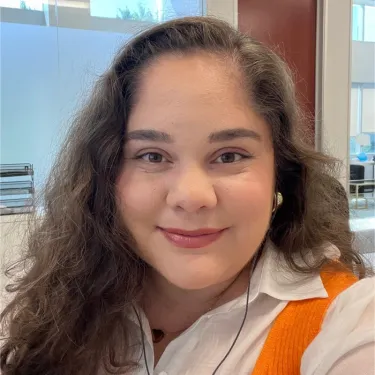
LOUISVILLE — During the third installment of the Disaster Emotional and Spiritual Care Academy offered online this week by Presbyterian Disaster Assistance and its partners, Victoria Villa, who provides training for the Southwest California Synod of the Evangelical Lutheran Church in America, led an introduction on trauma-informed care and listed some of the tools to support those who have experienced trauma.
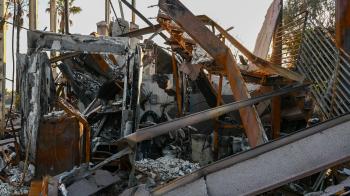
Portions of her presentation were taken from her experience helping Angelenos with spiritual and emotional care as they work to recover from the destructive and deadly wildfires in January 2025. Since then, her work has expanded to include the impacts of food insecurity and the current climate with immigration enforcement.
Trauma-informed care “is not just about being kind,” Villa said, quoting Dr. Sandra Bloom. “It’s about being radically aware of what people carry and making sure we do no more harm.”
Simply put, trauma can be described in this way: “Something happens to you that shakes you up and changes the way you navigate the things around you,” Villa said. Trauma can come from any number of sources: physical, sexual and emotional abuse; childhood neglect; poverty; racism, discrimination and oppression; even a sudden, unexplained separation from a loved one.
Everyone’s reaction to trauma is different and can be shaped by their experiences, available support, cultural background and the response of the larger community. Reactions can be delayed or immediate, subtle or destructive. Traumatic stress reactions “are normal reactions to abnormal circumstances,” she said. “We hear from people, ‘I feel like I’m going crazy and there’s something wrong with me.’ There’s nothing inherently wrong with them.”
Villa went over some of the effects trauma can have on people, which can include anger, sadness, shame, numbness and feeling overwhelmed. She then briefly traced how trauma can change the brain’s chemistry, size and function. “It’s not only a learned behavior,” she said. “It shifts your brain into survival mode to deal with a perceived threat.”
“It’s not that people who experience trauma are choosing to behave a certain way or not choosing to heal on a certain timeline,” she said. “Their body has thrown them into survival mode, and the way they experience the world has changed.”
About 70% of the population has experienced at least one traumatic event in their lifetime, Villa noted. Trauma-informed care “is the most effective when it is also culturally responsive,” she said. “Without cultural awareness, even well-intentioned support can feel unsafe, dismissive or unhelpful.”
“You don’t need to understand the trauma responses of every culture, religion or ethnic group,” she told those on the call. Just try something like this: “Tell me what’s going on with you, and tell me what areas you feel you need support in.”
Some may readily seek help from government agencies, while others may have deep distrust due to past experiences with authorities. Villa was outside an immigration office last week, and people needing services were being checked at the door to ensure their paperwork was ready. Some brought a family member to translate for them. The person at the door told one child, “How is your parent ever going to learn English if they aren’t going to even try?”
“That is not trauma-informed care,” Villa said.
In Western clinical norms, individuals who have experienced trauma may describe anxiety, depression or PTSD. But in many cultures, trauma is often expressed through physical symptoms like headaches, fatigue or stomach pain. Or it’s described as stress rather than emotional distress. “Do not assume someone is fine if they don’t verbalize emotional pain,” Villa said. “Listen for indirect cues and validate physical experiences as real and possibly connected to trauma.”
A Western norm is to seek mental health services. In many cultures, there may be stigma around mental health, or people may prefer to seek support from clergy, elders or family. In such cases, Villa suggests using terms like “support” or “care” or “well-being” rather than “mental health services.”
“Collaborate with faith leaders and community anchors,” she said, because “prayer, rituals, ceremonies and other cultural practices can be helpful in processing trauma.”
Other considerations when helping people affected by trauma include:
- Build trust first, “as you would with any client,” Villa said.
- “Do not assume that all individuals from the same background share the same beliefs and experiences,” she said. Asking open-ended questions, such as “Can you tell me how you’re feeling right now?” can be a helpful approach.
- Understand that trauma does not happen in a vacuum. It is shaped by history, identity and community.
- Faith, family, roles, gender and cultural values “often influence how people interpret suffering and healing,” she said.
- Acknowledge what you don’t know.
“The good news is that trauma and its effects can heal and its impacts reversed with the right support and treatment,” Villa said. “Anyone can be trauma-informed. The important thing to remember is that people just need someone who can talk to them without passing judgment or making assumptions on their behalf.”
You may freely reuse and distribute this article in its entirety for non-commercial purposes in any medium. Please include author attribution, photography credits, and a link to the original article. This work is licensed under a Creative Commons Attribution-NonCommercial-NoDeratives 4.0 International License.