Presbyterians attend COP31
The Presbyterian Church (U.S.A.) has sent a delegation to nearly every climate change gathering
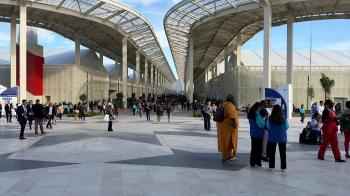
ANTALYA, Turkiye — In its 30th year of participation the Presbyterian Church (U.S.A.) has sent a delegation to the 31st session of the Conference of the Parties (COP) to the United Nations Framework Convention on Climate Change.
During COP31, world leaders will come together to discuss ways to address the global climate crisis. In addition to representatives from nearly 200 UN countries, the event also attracts nonprofits, indigenous groups and faith-based organizations.
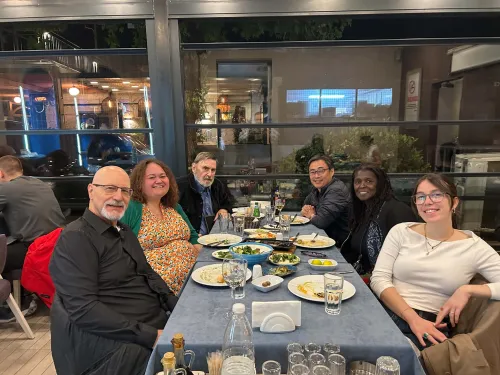
COP31 is being held this year November 9-20 in Antalya, Turkiye. The PC(USA) delegation includes 10 in-person attendees and 3 virtual delegates who will participate over the course of the two-week gathering. In addition to other church partners and indigenous leaders from Indonesia and Kenya the delegation includes:
- Jessica Maudlin, Associate for Sustainable Living and Earth Care Concerns in the Presbyterian Hunger Program
- Clare Balsan, Advocacy Associate with the Presbyterian Ministry at the United Nations
- Dr. Dianna Wright, Director of Ecumenical and Interreligious Relations
- The Rev. Bill Somplatsky-Jarman, the former coordinator of Mission Responsibility Through Investment
- The Rev. Fred Milligan, Presbyterians for Earth Care
- Takeshi Komino, General Secretary, Church World Service Japan
- Sulman del Pilar Hincapié Rojas-member of the Red de Fe por la Justicia Climática, Servicio Internacional Cristiano de Solidaridad con los Pueblos del América Caribe y el Caribe (SISCAL), Óscar Arnulfo Romero- Colombia
Among the many reasons it’s important for faith communities to participate in COP is that the climate change issue is more than just a political or economic one. “We are in a position to speak to the moral imperative regarding the care of creation and it’s been so important to keep that in the forefront for people,” says Somplatsky-Jarman, who has attended all but two of the COPs since they began in Rio de Janeiro, Brazil, in 1992.
The denomination’s Reformed tradition views caring for the Earth as a theological duty of sacred stewardship, which affords Presbyterians the ability to offer perspective into negotiations that prioritizes human life and environmental well-being over temporary political gains. Additionally, members in faith-based communities bear important witness firsthand to how extreme weather, droughts, and famine devastate vulnerable populations that contributed the least to global emissions.
According to Balsan, “All voices must be included if we want climate justice to become a reality. Coming to COP as part of the ecumenical delegation shares the message that faith voices and faith communities from across the globe share the same concerns of climate change and the same commitment to the equal and just flourishing of all God’s Creation.”
Outside of civil society, there is some surprise that faith communities are present. Maudlin shared her experience upon arrival in Antalya. “While waiting at baggage claim, before I even left the airport, while just making small talk, I spoke with both a climate scientist from Kenya and a journalist from China who were surprised to learn that a faith organization prioritized climate advocacy. It felt like such a tangible moment of experiencing how mere presence can strengthen the witness of the church in the world.”
A strong ecumenical presence
Takeshi Komino founded CWS Japan in the wake of the devastating 2011 Japan earthquake, tsunami and nuclear disaster. Under his leadership, the organization connects international domestic support to victims of natural disasters, poverty and conflict across Asia. Komino regularly represents faith communities at international forums. He said he believes that “the value of us being here at COP31 is to bring evidences and community-centered justice perspective to the whole climate negotiation. So many people are affected by the consequences [of the climate crisis] but cannot raise their voices, and we can bring field realities to the discussion table in Antalya.”
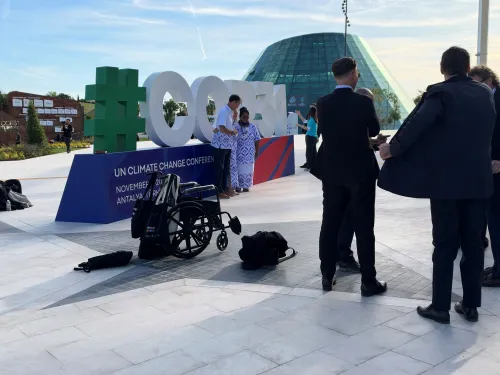
One of the voices that will again be missing at least at the negotiations table of this year’s COP will be that of the United States. Under the current presidential administration, the U.S. has not only pulled back from climate action but openly advocated that other countries undo their own climate policies. So it is no surprise that there will not be high-level U.S. delegates participating in COP31.
However, through coalitions such as America Is All In, more than 120 state and local leaders — including U.S. governors, mayors, and other city officials — will be in attendance to show that at least a chunk of the United States is still committed to dealing with the climate crisis. For retired minister and Presbyterians for Earth Care Advisory Committee member the Rev. Fred Milligan, this feels like an important part of being at COP31. “In-person attendance at the COP helps to connect directly with others from across the globe to better inform me of their efforts and their struggles and to be encouraged for our own efforts. And even though the U.S. will not have a negotiating team present due to the Trump administration’s decision to withdraw from the UNFCCC and París Agreement, this is an opportunity to connect directly with Congresspersons, governors, mayors, and other influencers from the U.S. in ways rarely available when back in the country.”
The PC(USA) participates as part of both the World Council of Churches and also the ACT Alliance. The WCC will bring four calls to governments as they begin negotiations. They want stronger national climate plans under the Paris Agreement, and climate finance, meaning money that helps countries cut emissions and adapt, as justice and not charity. They also want a just transition away from fossil fuels that is fair to workers and communities, and adaptation, meaning help to cope with impacts already happening, for frontline communities.
Presbyterians are invited to join in prayer with the delegation as they participate in side events and other forums pushing governments and global decision makers to commit to climate action that is rights-based and justice focused especially for the most vulnerable communities that suffer the greatest impacts of the climate crisis.
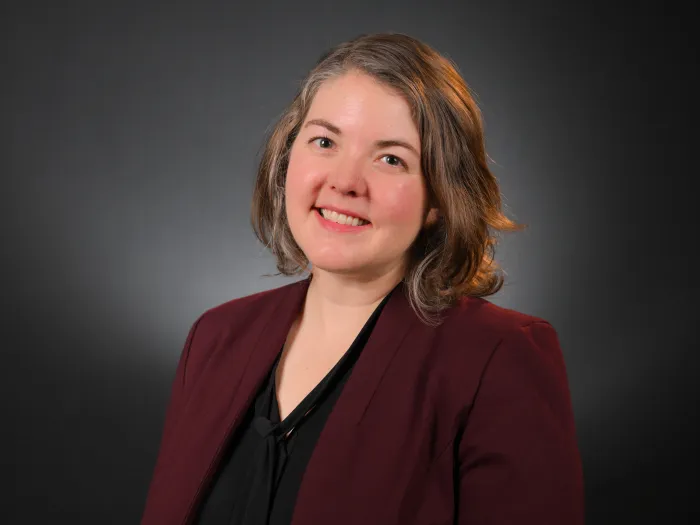
Jessica Maudlin is Associate for Sustainable Living and Earth Care Concerns in the Presbyterian Hunger Program.
You may freely reuse and distribute this article in its entirety for non-commercial purposes in any medium. Please include author attribution, photography credits, and a link to the original article. This work is licensed under a Creative Commons Attribution-NonCommercial-NoDeratives 4.0 International License.