A midway review of COP31
Assessing the status of negotiations at the annual UN climate change conference
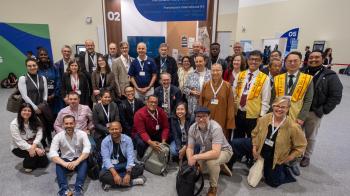
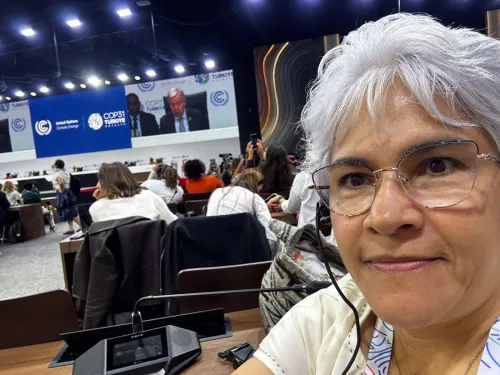
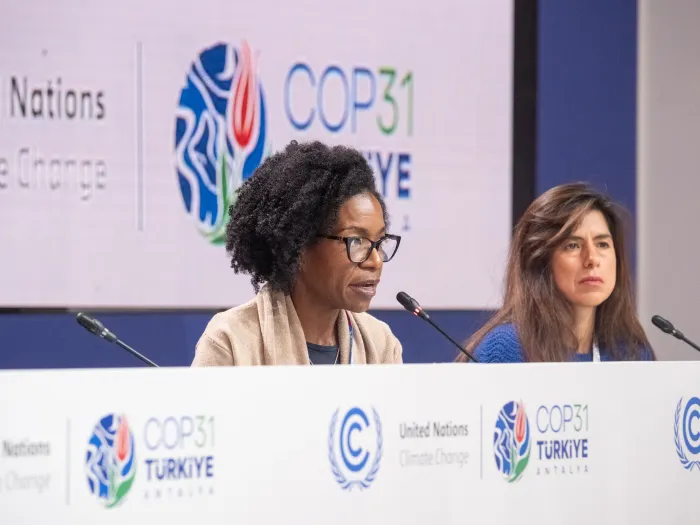
ANTALYA, Türkiye — As the first week of COP31 comes to a close, delays across the negotiations and frustrations with the absence of key actors of those needed to make financial and policy commitments to change the tide of climate change impacts are on the top of everyone’s thoughts. Government officials remain divided over everything from pathways for climate finance to adaptation to just transition.
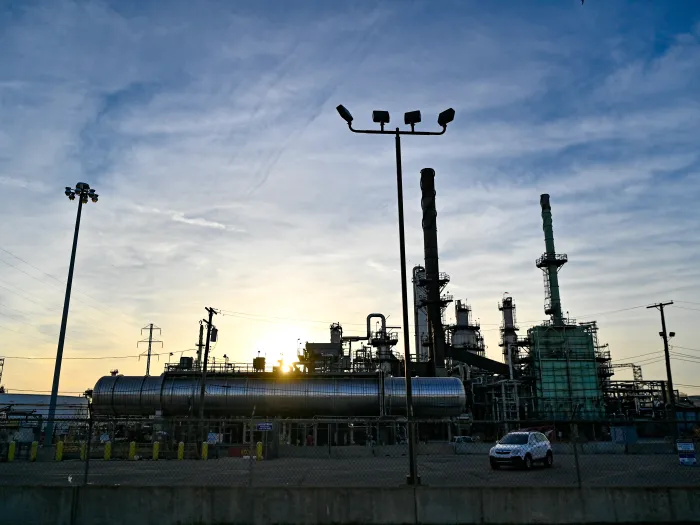
In regards to advancing a plan for the transition away from fossil fuels, major oil- and gas-producing nations are adamantly resisting firm targets, which has stalled progress on a phased-out approach. Additionally, while Türkiye has championed a global initiative to electrify one-third of the global economy by 2035, with at least 14 countries endorsing it, climate advocates and the EU have raised concerns because the pledge does not strictly require the electricity to come from renewable sources as opposed to fossil fuels.
More than negotiations
Not all 92,000 participants who are attending COP31 will have a role in the formal negotiation rooms hosted in the Blue Zone of the COP, though they do have the opportunity to observe.
The awareness of the impacts of climate change and the need for action has led to an increase in the demand for participation from a wide spectrum of stakeholders to allow for many means of engagement. Faith and civil society observers, including members of the PC(USA) delegation, participate in these ways as well.
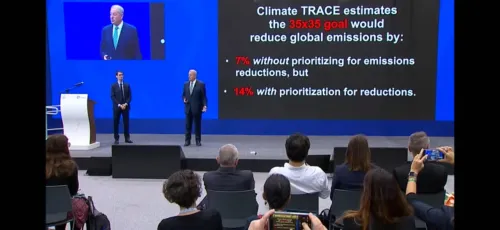
These other means of engagement include:
- The Green Zone: Open-access, registration-based public areas managed by the host country each year. This area often features themed stages, daily presentations, workshops, and exhibitions focused on culture, economies, green industrialization and science.
- Pavilions & country/institutional booths: National governments, research institutes, NGOs, and corporate entities host interactive pavilions that host continuous day-long panels, technical talks, and networking opportunities.
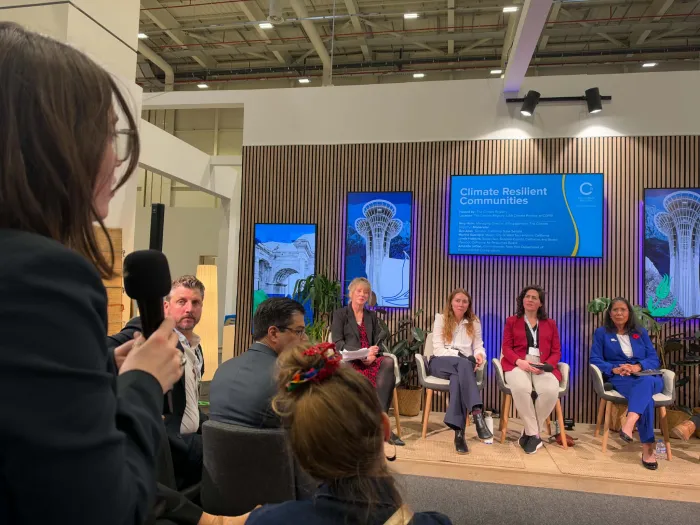
- Side events & panel discussions: Organized by observers, academic groups, and advocacy networks, side events offer deep dives into on-the-ground climate projects, indigenous knowledge-sharing, youth-led initiatives, and regional adaptation strategies.
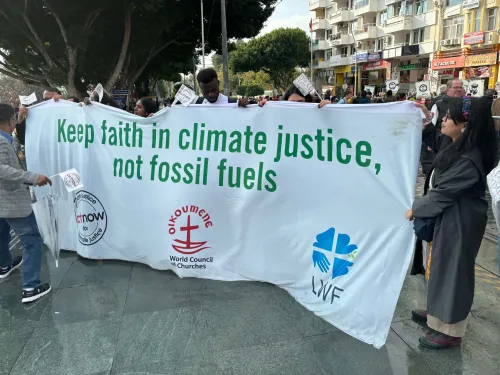
- Advocacy/stunts/actions: Even in the face of tight regulations and a code of conduct agreement required by Blue Zone participants, climate advocacy and public activations are part of every COP. There are limitations on naming specific countries or corporations inside the UN Blue Zone, but civil society groups, including the faith sector and international networks, have adapted with highly-coordinated stunts and symbolic demonstrations.
Looking ahead to week two
As negotiations continue into the second week of the climate conference, governments must do what is needed to equitably address the climate crisis while supporting the most vulnerable communities. The COP31 presidencies named this year’s conference the “Implementation COP,” but implementation must not be just a talking point. To make it more than that in name only, world leaders must act decisively with courage and ambition.
So we wait to see what may come.
Many members of the PC(USA) delegation will follow week two virtually while two will continue to be on the ground. They will be joined by an additional three delegates from Kenya, Palestine and Germany, who will be able to join that broader faith delegations using PC(USA) passes.
While week one may have left some disappointed, we know that as people of faith we are not to be given over to complacency or despair. We hope in spite of, we hope beyond, we hope in the Good News of a God who created the cosmos, placed us among them and calls us to continue to show up, engage, act and speak out for the care and repair of our shared common home.
Jessica Maudlin is Associate for Sustainable Living and Earth Care Concerns in the Presbyterian Hunger Program. Read previous reporting from COP31 here, here and here.
You may freely reuse and distribute this article in its entirety for non-commercial purposes in any medium. Please include author attribution, photography credits, and a link to the original article. This work is licensed under a Creative Commons Attribution-NonCommercial-NoDeratives 4.0 International License.