Becoming an ally of workers in need of justice and better wages
Panelists offer solidarity tips during SDOP reboot of ‘The Struggle is Real’ series
LOUISVILLE — A panel of speakers on labor and living wages offered several ways that people of faith can support workers and job seekers who are facing challenges including low pay, food insecurity, disability, exploitation and xenophobia.
“Standing in solidarity is a very concrete kind of thing that we can do for workers,” said panelist Fran Tobin, co-founder and coordinator of the Alliance for Community Services, a grassroots labor organization in Illinois.
For example, If workers have to go on strike or are in contract negotiation, you can join the picket line, said Tobin, whose organization campaigns with various groups, including people with disabilities and frontline workers, to improve public services.
“Be part of advocating for a strong contract,” he said.
Another way to be an ally is to welcome advocacy organizations into your church to share workers’ stories.
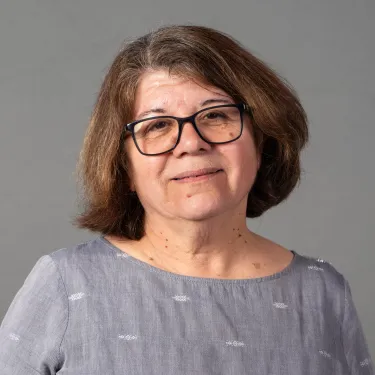
Through the Labor in the Pulpit program of Arise Chicago, “we go to churches precisely with those real stories because a lot of people” are reluctant to tangle with labor issues “because they consider those political,” said panelist Margarita Klein, membership director at the workers’ rights organization. What they forget is that it's "the politics of making people's lives better.”
Hearing workers’ stories in a church setting helps give people something to relate to, she said.
The panelists comments came during the kickoff of a trio of webinars on affordability being hosted through November by the Presbyterian Committee on the Self-Development of People as part of the ministry's signature webinar series, “The Struggle is Real.”
The discussion was co-facilitated by the Rev. Dr. Alonzo Johnson, who coordinates SDOP, and Margaret Mwale, associate for community development and constituent relations.
Johnson explained several purposes for the gathering, including passing along best practices and teaching congregations about advocacy. The series also will help viewers to get to know SDOP-funded partner organizations that are doing justice work and providing services of various kinds in their communities.
“We will touch on poverty and how it intersects with economic justice and labor and living wage issues and how churches can take intentional action to step outside their walls to be able to form relationships and live out loving their neighbor,” Johnson said during the webinar’s introduction.
The discussion focused on various kinds of working people, including those underemployed and overworked, as well as unemployed persons. Speakers also highlighted the struggles of immigrants trying to make a living in a tense national climate that makes some of them fearful even to pick up their kids from school in light of federal enforcement and persecution.
“Many of those immigrants also, you know, are working in jobs that many people in this country don't want to do,” Klein said. “They were the ones who during the pandemic were making our food, making us comfortable living in our homes, while people were dying out there,” and are now targeted by agents of U.S. Immigration and Customs Enforcement, who "criminalize our community and create a state of fear.”
Klein also spoke out for people who toil in minimum-wage jobs, and she urged the public not to say that recent pay increases in places like Chicago are enough.
“We should always be looking for more … because you know what? Employers look for more. They increase our prices. They increase the cost of living … They do it constantly,” she said.
A key step to becoming an ally to workers is being a good listener, panelists noted.
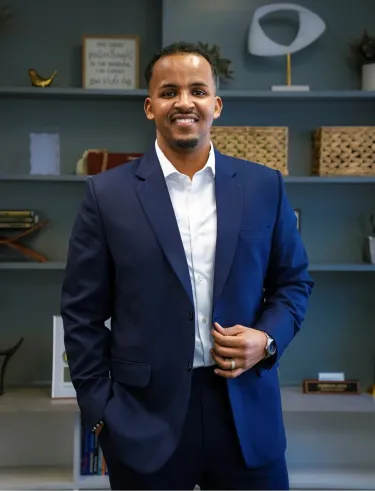
“Approach folks with an understanding of trying to listen and hear where they're coming from and what their experiences are, specifically around labor and employment and living wage- type issues,” said Tobin, who also encouraged looking through a social justice lens. “We're not just trying to win a fair contract for this set of people or get accessible accommodations for that set of people. We're working to change society so that everybody gets justice.”
Panelist Farhan Abdi is executive director of Global Roots Louisville, an organization that strives to empower immigrants and refugees. He described offering a work simulation to help newcomers to the U.S. be less jittery when starting jobs in warehouse settings.
“One thing we did with Catholic Charities of Louisville is we created a warehouse experience,” so that instead of panicking when entering a warehouse and seeing all of the equipment, the person feels confident, he said. “It's not that hard when you give them that training upfront and let them see [it for] themselves."
Helping to tackle food insecurity is another way to help workers. Panelist Rosalind McIntyre is volunteer food pantry coordinator at Hillside Presbyterian Church in Decatur, Georgia. She noted that in addition to making food available to people, the program helps people to obtain identification cards. She shared a list of things people often can’t do without an ID, such as putting in a job application, making bank transactions or even picking up a package.
She also stressed the importance of giving people concrete assistance instead of using canned phrases, such as “when one door closes, another opens.”
“Our logo indicates that we are a hub of hope, and that's what it's all about,” McIntyre said. “We want the people who come to us to know that they're going to leave in some way more positive than when they came in.”
To experience the full conversation, go here to watch a recording. Learn more about "The Struggle is Real" series and how to register here.
You may freely reuse and distribute this article in its entirety for non-commercial purposes in any medium. Please include author attribution, photography credits, and a link to the original article. This work is licensed under a Creative Commons Attribution-NonCommercial-NoDeratives 4.0 International License.