Practicing for conflict before it arrives
Regarding Ruling Elders

Serving as a presbytery leader often means I am the first call — from the pastor, the clerk or a shaken ruling elder — when a session meeting or congregational meeting has gone sideways into uncomfortable conflict.
Conflict is part of daily life, and most of the time we know how to handle it. We work through it by making decisions, having animated conversations or simply letting it pass in hopes it resolves on its own. But sometimes we don't process it at all — we carry it in our bodies instead, and it shows up as a headache, a stomachache or something worse. Or we pretend it isn’t happening or we avoid it in order to avoid feeling uncomfortable or anxious.
Conflict in the church tends to trigger the same instinct: stop it, resolve it, make it go away or move away from it. Conflict makes us uncomfortable — irritable, angry, scared, frustrated. It feels like something to avoid rather than something to work through.
Watching Ms. Rachel on her educational preschool YouTube show, my 3-year-old grandson has learned how to handle frustration, anger and big feelings with mindful breathing. Smell the roses, blow out the candles. I've watched him do it on his own when something upsets him. Other times, I simply say, “smell the roses,” and he knows exactly what to do. It works, most of the time. He is a toddler, after all.
When I lead conflict management workshops, the central question is always the same: What do we do when conflict shows up? How do we talk about it? How do we keep from making it worse? How do we address it the moment it surfaces in a session or committee meeting?
My answer is the same one Ms. Rachel gives toddlers: Practice ahead of time.
Session members, including the clerk and the moderator, should practice before conflict arrives, so that when an uncomfortable conversation does appear, everyone already knows how to metaphorically smell the roses and blow out the candles.
Build in a regular time at session meetings, or hold a retreat, where members learn the levels of conflict, how to avoid getting pulled into a triangle, and how to agree on a procedure for handling unsigned letters or the ever-present “some people.” Practice together how to name a disagreement in the room. Agree in advance on how you'll work through the difficult conversations that inevitably arise in church life.
The way to manage conflict well is to prepare for its inevitability. Take the time to learn about it. Take the time to practice addressing it. The goal isn't to eliminate conflict — it’s to keep it at a low simmer, manageable and honest, rather than letting it boil over.
Practices to consider:
- Take some time to set ground rules for meetings that specifically address difficult conversations.
- Learn to use and practice the technique of mutual invitation from the Kaleidoscope Institute and in “The Wolf Shall Dwell with the Lamb” by Eric H. F. Law.
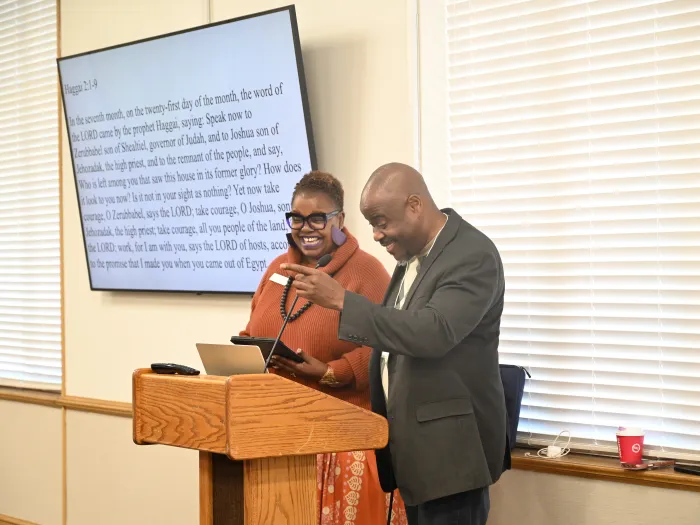
- Practice Dwelling in the Word or Lectio Divina using Scripture about conflicts in the church.
- Over a period of several session meetings, dedicate 10 minutes each time to discuss Seeking to be Faithful Together: Guidelines for Presbyterians in Times of Disagreement.
- Consider and discuss the levels of church conflict, originally published by Speed B. Leas in his book “Moving Your Church Through Conflict.”
For Reflection:
- What are the different ways you respond to conflict in the church? What responses and practices do you look forward to learning more about?
- If the session developed ground rules for dealing with tough conversations, what would you include?
- Which of the suggested practices would you be most willing to try, and what could you practice on a low-stakes topic first to build trust?
For Further Reading:
- “I Never Thought of It That Way” by Monica Guzmán
- “Polarization and the Healthier Church: Applying Bowen Family Systems Theory to Conflict and Change in Society and Congregational Life” by Ronald W. Richardson
- “Quietly Courageous: Leading the Church in a Changing World” by Gil Rendle
Study together:
- “Congregational Leadership in Anxious Times” by Peter L. Steinke
- “How Your Church Family Works” by Peter L. Steinke
- “Healthy Congregations” by Peter L. Steinke
- “Transforming Conflict: The Blessings of Congregational Turmoil” by Dr. Terasa Cooley
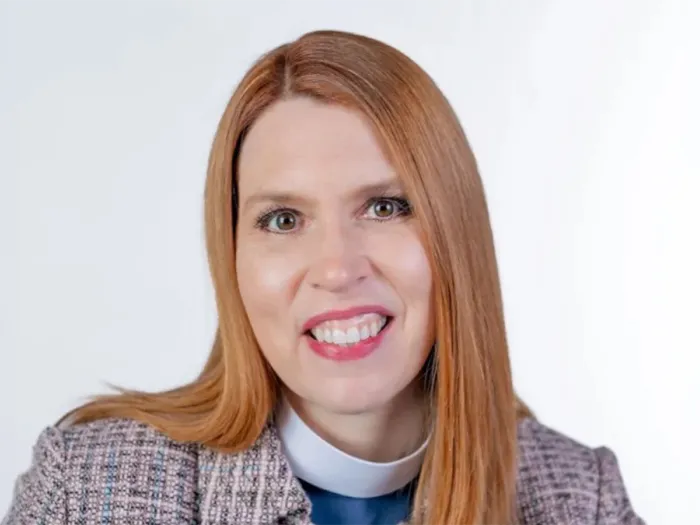
The Rev. Jeanne Radak, Presbytery Leader for the Presbytery of the Highlands of New Jersey, has been engaged in assisting congregations and church leaders with managing church conflicts and providing mediation ever since she found herself called as an interim pastor to level five conflict almost 40 years ago.
Throughout 2026, monthly Regarding Ruling Elders articles will focus on some of the foundational aspects of ruling elder service and spiritual leadership in the Presbyterian Church (U.S.A.).
Subscribe to receive notifications of monthly Regarding Ruling Elders articles. Visit the PC(USA) Leader Formation website for more resources for ruling elders and deacons. For more information, email Martha Miller, editor of Regarding Ruling Elders.