
Don’t be caught off guard by disasters
Know your risks and devise a plan before a crisis

LOUISVILLE — Even in biblical times, there was the need to prepare for disasters.
“Noah built an ark and gathered God’s creatures within it. Joseph prepared an entire nation against famine. Jesus started a feeding ministry rather than turning away thousands of hungry people,” said the Rev. Kathy Lee-Cornell, Associate for National Disaster Response for Presbyterian Disaster Assistance.
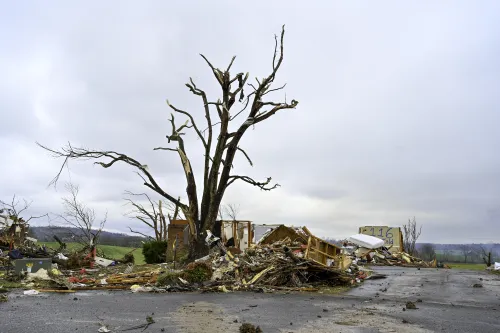
Today, the need for disaster preparedness continues to be important as natural and human-caused crises continue to threaten lives and property, including homes and sanctuaries.
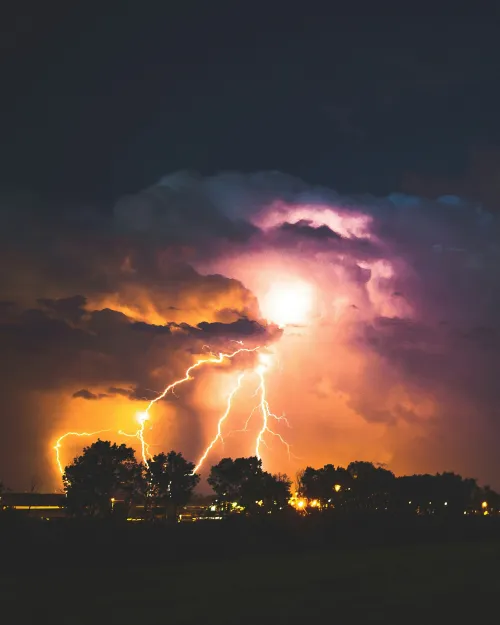
From El Ninos, hurricanes and heatwaves to tornadoes, wildfires and flooding, weather phenomena wreak havoc around the world.
But “disaster preparedness reduces chaos and fear, minimizes stress, and saves precious time” to protect those you love, according to the Family Disaster Preparedness Plan Workbook, a joint publication of PDA and the Presbytery of Milwaukee.
September is National Preparedness Month, a time when families and others, including houses of faith, are urged to place special emphasis on preparedness.
“From a church standpoint, preparedness is a faithful stewardship of the church,” said Mark McCain, preparedness team chair for PDA’s National Response Team. “It's to protect people, to preserve the ministry and strengthen the congregation's ability to serve during a natural and human-caused disaster.”
One important step is to know your risk, especially in an era of global warming. What kinds of disasters typically occur in your area, how will you receive alerts and get in contact with the people you care about as well as first responders and disaster volunteers?
“It’s true that climate disasters are occurring more frequently and with more intensity than in previous decades; however, the factors that are most important to recognize are risks and vulnerability,” Lee-Cornell said. “Understanding who is most at risk and which neighbors are most vulnerable when the physical and economic impact of the disaster strikes allows the preparedness work to be most effective.”
Before a calamity strikes, PDA encourages formulating an emergency plan, tailored to the needs of your family or congregation, and making sure that it’s readily accessible.

“Ideally, family disaster plans and essential documents should be maintained both electronically and with hard copies stored securely (e.g. fire-safe, waterproof containers),” Lee-Cornell said. “If you are displaced and have access to the Internet, digital files can easily be retrieved and updated. Insurance companies and FEMA typically require digital files to accompany claim submissions. Paper files are reliable when access to power and Internet are limited and when proof of identification and residency are needed to receive disaster relief resources.”
If the disaster plan is for a church, it could be kept at the building or off campus with leadership of the church. The disaster plan addresses the loss of power, the need to evacuate, how to protect special populations, such as children housed on the church campus, and how to save church artifacts and documents.
For houses of worship, it’s also important to have an emergency team in place and to utilize the expertise of each member.
“Get to know each other's gifts,” McCain said. “Maybe Susan's good at paperwork. Maybe John's good at strategic thinking. Maybe Carol is in the medical industry, and she can help identify those needs. But get to know each other first and then sit down and strategically come up with your objectives and your strategies before you put anything to paper.”
Being able to communicate is crucial in times of disaster. Do you have an up-to-date phone list or texting network to communicate well before and after the crisis? Identify key contacts, including individuals who are important in decision-making and helping to maintain hope.
“The church is the rock in many communities,” McCain said. “Do we know how to reach out to PDA to get assistance with emotional, spiritual care and resiliency?” Are professionals in your own congregation trained to provide such assistance as well?
It’s also important to establish neighborly relationships with first responders, such as fire and emergency management personnel as well as organizations, such as Voluntary Organizations Active in Disaster (VOAD), McCain said. That way, “when something goes wrong, no matter what it might be, you're not introducing yourself for the first time.”
In a similar vein, Lee-Cornell said, “Take time to invest in, nurture, and establish a vast network of mutually beneficial relationships. A foundation of trusting relationships will give you everything you need to withstand any storm.”
Don’t forget to also plan for recovery. For example, “do you have a pre-arranged memorandum of understanding with another church, and do they have one with you, that you can use their facilities if your church was burnt down?” McCain said.
For more information about preparedness, review PDA Resources for Mid Councils and the Family Disaster Preparedness Plan Workbook. You also can read a blog post adapted from an “Introduction to Church Safety and Security Workshop” and peruse 12 Steps to Church Disaster Preparedness.
You may freely reuse and distribute this article in its entirety for non-commercial purposes in any medium. Please include author attribution, photography credits, and a link to the original article. This work is licensed under a Creative Commons Attribution-NonCommercial-NoDeratives 4.0 International License.


