
Brazil Presbyterians vote for inclusion
Historic United Presbyterian Church of Brazil vote opens path for LGBTQIA+ pastoral leadership
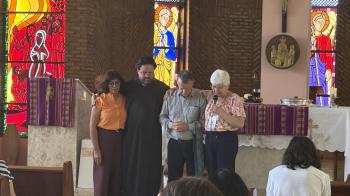
SALVADOR, Brazil — The United Presbyterian Church of Brazil (IPU) voted at its XXI General Assembly to allow LGBTQIA+ people to be received as church members and to serve as pastors, marking a historic moment for one of Brazil’s Protestant denominations. The assembly met in Salvador, Bahia, from July 17-19 and approved the measure following a three-year process of study, listening and discernment.
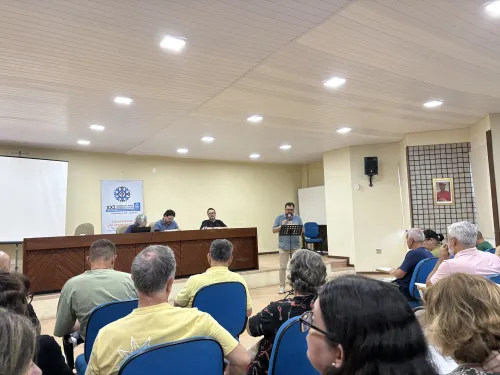
According to a July 23 article in the Folha de S.Paulo newspaper, the decision does not establish a single denomination-wide doctrinal position. Instead, the General Assembly recognized that local congregations may call LGBTQIA+ individuals who have completed the denominational discernment process as pastors. The report described the approach as a model of “unity with autonomy,” allowing congregations to make decisions within their local contexts while maintaining denominational unity.
The decision followed work begun in 2023, when the General Assembly created a Special Commission on Gender Issues composed of representatives from all regional presbyteries, LGBTQIA+ participants and pastors who had officiated same-sex marriages. Over three years, the commission held meetings, consulted congregations, organized a public seminar and studied church documents. The process found a wide range of views within the denomination, from exclusive to more inclusive interpretations, while also revealing broad agreement that the issue should not lead to division or schism.
The vote carries significance beyond the IPU. Folha de S.Paulo reported that until now, the Anglican Episcopal Church of Brazil had been the only historic Protestant denomination in the country to recognize the full inclusion of LGBTQIA+ people. By adopting its new policy, the IPU joins that movement and offers an alternative to the “all-or-nothing” approaches that have characterized many debates over faith and sexual diversity in Brazil and across the region.
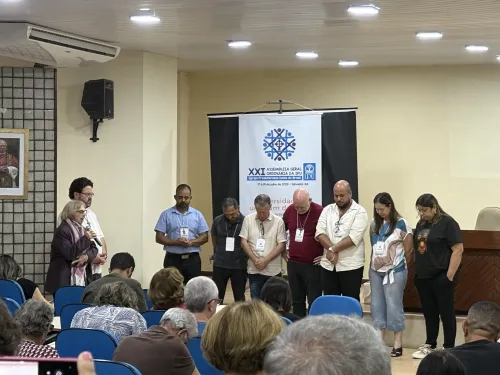
Elder Jessé Oliveira, who was elected moderator of the IPU Coordinating Council for the 2026–2029 term, described the assembly's decision as both historic and deeply significant because it embraces inclusion without imposing uniformity. The decision reflects the IPU’s longstanding commitment to welcoming diverse perspectives within the church. “The IPU remains true to its historic calling of embracing and respecting different convictions,” said Oliveira, noting how the IPU Coordinating Council has worked diligently to preserve the church's unity as it seeks to fulfill what it understands as its prophetic calling.
“Our prayer is that no one will be lost. Every presbytery, every local congregation, and every member of the church is essential to our shared Christian journey.” Oliveira also reaffirmed the denomination's identity. “This is the IPU — a church committed to welcoming people and respecting differences.”
PC(USA) representatives attending the IPU’s General Assembly were Kerry Rice, deputy stated clerk in Presbyterian Life & Witness; the Rev. Daniel Morales, a member of the General Assembly Committee on Ecumenical and Interreligious Relations; and the Rev. Jed Koball, a PC(USA) Global Ecumenical Liaison (GEL) in South America. Their presence highlighted the longstanding partnership between the IPU and the Presbyterian Church (U.S.A.). Koball described the gathering as a “historic occasion in which the assembly decided by overwhelming majority to become a more inclusive and welcoming church to LGBTQIA+-identifying peoples, affirming the roles of queer pastors and elders in the church today.”
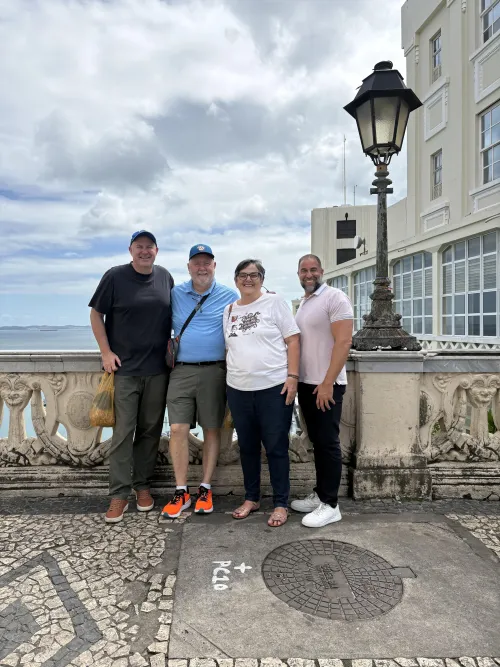
Koball said the decision emerged from a process designed to preserve church unity while ensuring the participation of LGBTQIA+ leaders and members. “This was a process that began at their previous general assembly three years ago, which was followed by the creation of a commission to study and discern with all of its presbyteries and congregations how to keep the church from splitting while ensuring the full participation and integrity of LGBTQIA+ leaders and members,” Koball wrote on Facebook on July 20.
He also emphasized the role of accompaniment by the PC(USA). “In this process we [the PC(USA)] were invited to accompany leadership and LGBTQIA+ pastors and elders to share of our own journey as a denomination and to be a loving presence to our partners, especially those who have suffered from discrimination in the church,” Koball wrote.
Reflecting on the growing relationship between the two churches, Koball expressed particular gratitude for Mel Tubb, manager for Advocacy Committee Support in Presbyterian Life & Witness, as well as Morales, Rice and Luciano Kovacs, his GEL colleague who belongs to the Rainbow Pilgrims of Faith, a global collective of a LGBTQIA+ networks, churches, allies and activists . “Together with the IPU, we continue to explore ways to grow friendships and partnership that make space for the centering of LGBTQIA+ voices in the church,” he wrote.
Koball also noted the significance of the assembly’s setting. Salvador is home to the largest Black population of any city outside Africa and played a central role in the trans-Atlantic slave trade. In that context, he recalled a Black IPU clergy member urging delegates to view LGBTQIA+ inclusion as part of a broader commitment to justice and repair for marginalized communities.
For the IPU, the decision represents a commitment to continued discernment rather than a final resolution of theological debate. The General Assembly repeatedly invoked the words of Acts 15:28, “It seemed good to the Holy Spirit and to us,” as a model for navigating disagreement without division. Rather than issuing a final verdict on homosexuality, the church established a process for encouraging congregations to continue studying, listening and deliberating while ensuring that “the dignity of every person will be preserved amid theological disagreement.”
You may freely reuse and distribute this article in its entirety for non-commercial purposes in any medium. Please include author attribution, photography credits, and a link to the original article. This work is licensed under a Creative Commons Attribution-NonCommercial-NoDeratives 4.0 International License.


