Churches urged to advocate for those who need affordable, accessible healthcare
Self-Development of People’s latest webinar encourages people of faith to work with community partners on this justice issue

LOUISVILLE — The latest episode of “The Struggle is Real” highlighted the importance of advocating for affordable healthcare and nudged churches to take up the cause as a way of fighting injustice.
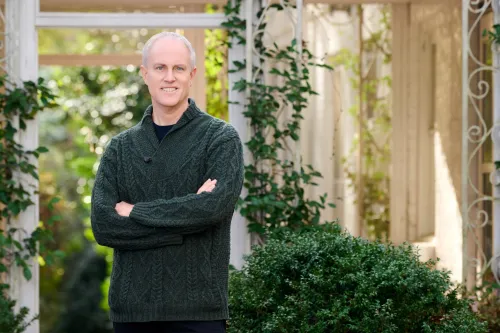
“It isn't just about health and wholeness, although it is that,” said Dr. Mark Douglas, the J. Erskine Love Professor of Christian Ethics at Columbia Theological Seminary. “It's also about just access to the necessary goods, so that everybody can pursue those in a way consistent with the greater witness of the gospel.”
Douglas was part of a three-member panel featured by the Presbyterian Committee on the Self-Development of People during its latest iteration of the web series, which is focusing on affordability issues through November.
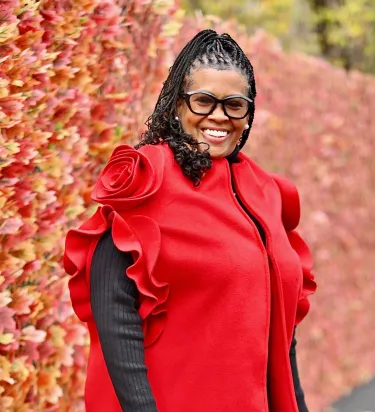
During the Oct. 1 episode, he was joined by Sherry Gray, chief executive officer of Raphael Health Center, an affordable healthcare provider in Indianapolis, and Bishop Dr. Michelle Anne Simmons, chief executive officer and founder of Philadelphia-based Why Not Prosper, which helps formerly incarcerated women get back on their feet.
Simmons stressed the importance of becoming active outside the walls of the church and working across denominations to achieve legislative gains for vulnerable populations. “They need us bad … especially in a time like this,” she said.
The Rev. Dr. Alonzo Johnson, who manages SDOP and served as webinar co-host with SDOP’s Margaret Mwale, preceded the discussion with a prayer that said in part, “Holy God, we know that you are the God of shalom and salvation. We look to you to equip us today with the knowledge and courage that we need to stand and walk in deep solidarity with those who do not have access to healthcare, those who are distant from affordability, those who languish in pain and hurt and desolation.”
Self-Development of People's healthcare webinar, now available to view here, is the second of three on affordability issues. The series continues Nov. 5.
He also prayed, “Let this be a time that we can be servants of your healing hand, your transforming hand, which will help make healthcare affordable and accessible to all who need it. Show us how to advocate and show us how to be the people we need to be to walk alongside” people in need.
Douglas said it’s important for churches to be incarnational and noted that churches that are part of the reformed tradition “always recognize the obligation to face out and encounter people where they find them, including on their front steps and inside their sanctuaries.”
He also endorsed learning from the people who are most deeply impacted, determining what your church’s gifts and talents are, and building networks. “Think about not only where need is but also where resources are. There are local resources, whether that is folks who work in healthcare that are sitting in the pews on Sunday, whether that is the community ministry healthcare setting … around the corner. Think about where resources are to build out.”
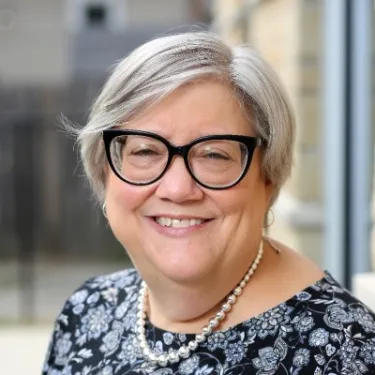
Gray stressed the importance of “knowing your community and knowing who can both honestly and authentically talk to you and interact with you about the community,” adding that “it's kind of really just listening and starting to build partnerships,” and figuring out how to collaborate well.
Federally qualified health centers like Raphael are vital, she said, because “our whole reason for being in existence is to serve everybody,” and the centers "can also connect you on how to advocate.”
Simmons told a story about using community connections to get help for a drug-addicted woman who was displaying withdrawal symptoms after being released from incarceration without proper medication. The activist was able to reach out to a local doctor and pharmacist to get the woman proper treatment. “Having those partnerships, y'all, as we do this work, having those relationships as we do this work, that's where our power really is.”
Gray’s facility, which was started by a church but is now a separate entity, provides medical, behavioral and dental care as well as optometry, pharmacy and lab work. “Our whole goal is to serve our community and particularly, those who have trouble accessing healthcare, so we see anybody and everybody, regardless of their ability to pay or any other thing that could keep them from getting into healthcare.”
In addition to providing those services, the center sends out alerts about policy issues and urges people to take action, such as contacting their legislators. Issues of concern include burdensome work requirements being put in place for some Medicaid recipients, and the fact that scores of children are losing their health coverage.
“We actually attend town halls or we have them,” Gray said. “We have patients tell stories and then we tell people how to take that and influence others.”
Simmons said one of the reasons it's important to advocate is that the issues already are in the church, from obesity and trauma to the repercussions of substance abuse. If you’re fired up about an issue, get with a couple of like-minded people and do a one-pager or start a social media campaign to educate people on the issue, she said.
Research your passion topic, and “take it to the pastor or the leadership, and then you and your group say, ‘OK, we're going to do this. Let's just post something here. Let's call a speaker over ... and educate the church.’ That's how we move the work forward,” Simmons said.
Douglas reminded those gathered online not to forget to “talk and discern with the people who are being impacted. … That discernment and conversation is the starting point for discerning where a particular worshiping community is being called into healthcare advocacy and healthcare work.”
A person on the call asked how to get churches motivated when they often are dealing with so many concerns of their own.
After urging the weary to give their burdens to the Lord, Simmons added, “Service is the key, right? You know, some people say when you're heavy, put on a garment of praise. I say when you're heavy, go ahead and find somebody and help somebody.”
Find recordings of past episodes of the webinar series here.
You may freely reuse and distribute this article in its entirety for non-commercial purposes in any medium. Please include author attribution, photography credits, and a link to the original article. This work is licensed under a Creative Commons Attribution-NonCommercial-NoDeratives 4.0 International License.