

Dear lovers of food and justice,
I hope you’ve been well. I just returned from eight weeks in Colombia and Peru, where I was on an extended study leave exploring agricultural systems.
Naturally, I started with the food. My first meals in Medellín surprised me. Take one typical plate: white rice, pale green salad, and then five shades of brown—yuca, plantains, chicken,
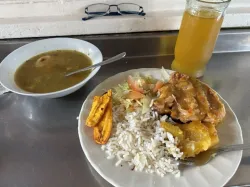
soup, even the juice. This was one of the tastier meals; the soup broth contained garlic and herbs, and the chicken was drenched in a savory sauce. But to my palate, the food overall was surprisingly mild.
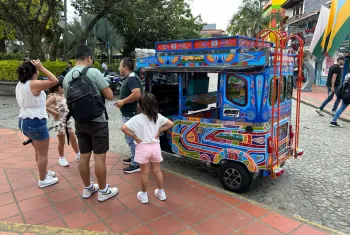
Tuk-tuks made it from Asia to Colombia—but somehow the spices didn’t. (See photo below.) So, I set myself a goal: to find a truly spice-forward meal in Colombia.
Spoiler alert: I failed. (Until I got to Peru—but more on that in a future letter.)
Fortunately, the people, flora, colors, music, and culture are anything but bland. Colombians are friendly and flamboyant! From the club scene to the frenetic streets swarming with scooters and motorcycles, from the vibrant music to boisterous markets, Colombia is sensuous and spicy.
And yet, beyond questions of flavor, a much deeper issue shapes the food landscape here. Even in shiny Medellín, a significant portion of the population lives in poverty, with many households facing ongoing food insecurity.
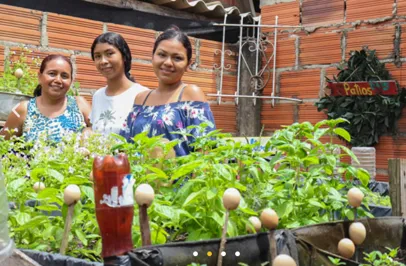
Granitos de Paz (“Grains of Peace”) is working in low-income neighborhoods of Medellín through its “Productive Patios” initiative—helping families turn small home spaces into gardens that produce vegetables, herbs, and flowers. These gardens don’t just feed people; they create income, build autonomy, and engage young people in ways that can reduce violence. This, and similar initiatives, like the Huertos con Voz (“Gardens and You”), show how small‑scale urban farming can transform lives and neighborhoods.
These efforts raise a question worth bringing home: what does urban agriculture look like where you live?
One Thing I Love
I love canned fish—especially sardines. Is that weird? For my birthday last week, my son gave me chocolate and a can of smoked trout (“responsibly raised in Denmark”) with red chimichurri. He knows me well.

I love whales even more—especially humpbacks, who also feast on sardines and other small fish. Their “bubble-net feeding” is extraordinary: working together, they corral fish with spirals of bubbles; then they glide through with giant mouths open for a sashimi feast!
Here – https://whaletrust.org/song-sound-2 – you can listen to them singing, including “feeding calls,” apparently used when signaling feeding activities and coordinating group hunts.
Listening to humpbacks may be the best thing that happens to you all day. It was for me.
Garden Update
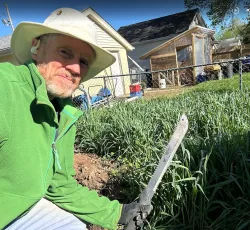
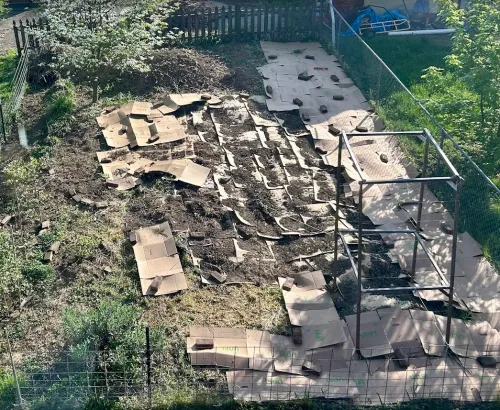
I also love gardening and I’ve been “farming” my front and back yards for the past 25 years. Each week, I’ll share a glimpse of what’s hopping there (besides the many bunnies eating my greens).
Please share your garden stories and/or garden pictures with me by writing to [email protected].
***
Learn more and donate to the Hunger Program via our website at pcusa.org/hunger.
Until next week, my friends, may your literal and metaphoric gardens grow
—and nourish others as well.
You may freely reuse and distribute this article in its entirety for non-commercial purposes in any medium. Please include author attribution, photography credits, and a link to the original article. This work is licensed under a Creative Commons Attribution-NonCommercial-NoDeratives 4.0 International License.