Dear Lovers of Food and Justice,
Maybe it’s odd to begin with a quote, but this one from my mentor, Joanna Macy, who passed away last year after a remarkable life of service and inspiration, felt right for this week. You can learn more about her here, and I’d especially recommend Coming Back to Life or her memoir, Widening Circles.
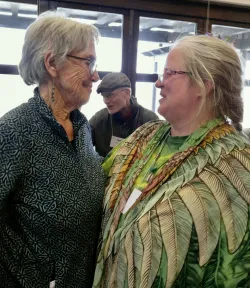
“If the world is to be healed through human efforts, I am convinced it will be by ordinary people, people whose love for this life is even greater than their fear. People who can open to the web of life that called us into being.”
Land — and the waterways that help humans, animals, plants, and microbes thrive — are part of that web of life Joanna wrote about. But who owns the land matters a lot. It can be held and cared for in ways that nourish life, or in ways that damage it.
For millennia, Indigenous Peoples have stewarded land far better than more recent settlers. Returning land into Indigenous hands — sometimes called "land back" or rematriation — is one of the most powerful ways to protect creation and the climate that all life depends on. Land back is happening in places across the United States and around the world.
One of the most inspiring examples is the Yurok Tribe’s historic land return in California. After more than 23 years of work, 47,097 acres along the lower Klamath River were restored, helping protect the Blue Creek watershed, salmon habitat, and culturally vital land.
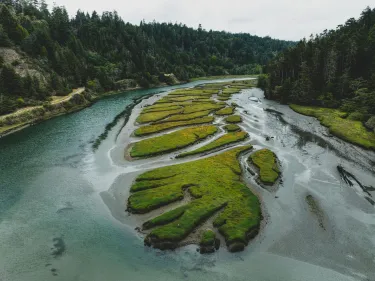
Yurok Tribe Chairman Joseph L. James thanked the primary partner, Western Rivers Conservancy, saying -- “The impact of this project is enormous. In working together for over two decades establishing the Community Forest and Salmon Sanctuary, we are forging a sustainable future for the fish, forests and our people that honors both ecological integrity and our cultural heritage.”
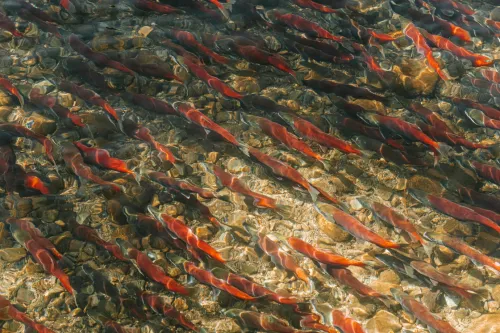
The Klamath River is still recovering from more than a century of logging, dams, and mining, but there is real hope now. In 2024, the last of the Klamath dams came down, reopening more than 400 miles of salmon habitat. The returned Yurok lands help restore the health of the river, support endangered species, and bolster the Tribe’s future.
A large portion of the recovered land comprises the Yurok Tribal Community Forest, which covers 32,307 acres of redwood and mixed conifer forest, and regeneration is happening. The Tribe is managing it with longer harvest cycles to help the forest ecosystems grow in diversity. The initiative also creates jobs in forestry and restoration, while helping fight climate change. This is especially impactful because redwoods store more carbon per acre than any other forest type, and second-growth redwoods can even absorb carbon especially fast.
“Returning these lands to the Yurok Tribe is an unprecedented step forward for the Klamath River, and it comes at a critical moment following the removal of the Klamath River dams. Returning ancestral lands to Native American tribes is an essential step in restoring ecological balance and health,” said Jennifer Norris, executive director of the California Wildlife Conservation Board.
Returning land back to Indigenous Peoples is so powerful: it’s not only about repairing injustices of the past, but about growing hope for the future. That long-haul, community rooted repair feels especially meaningful to me right now. And speaking of patching up what has been broken…
Things I Love: Hope that doesn’t die
Two sisters in Gaza have developed Build Hope, Palestine, where they are transforming debris from blown-up buildings into reusable blocks. Their names are Tala and Farah Mousa and after their house was bombed, they looked at the rubble and wondered what it could become. Tala and Farah are one of seven regional winning teams of The Earth Prize, the world’s biggest environmental competition. The Earth Prize is an incubator for youth, equipping 13-19 year olds with mentorship, resources and funding. Each of the regional teams receives $12,500 to advance their ideas.
Tala shared about their initiative. “The view from my window is what keeps me always motivated. The large amount of rubble and the lack of accessible rebuilding solutions inspire us to work on this project. The solution is decentralized, low-cost, and relies on locally available materials. It’s designed to be replicated by communities without heavy machinery or specialized infrastructure, and turn what was once destruction into a starting point for hope.”
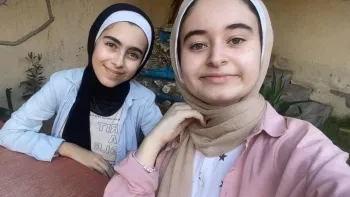
The plan is to teach 100 young people to make at least 200 blocks, then have those people teach others, reaching over 1,000 people as the method spreads. This grassroots up approach is essential as the war against them continues. The family was recently displaced, and while the prototype was lost, the method and training of others is what matters.
The sisters demonstrate what they are doing through a video in this article. You can vote for Build Hope (or another team, I guess…) on The Earth Prize website.
Garden Update
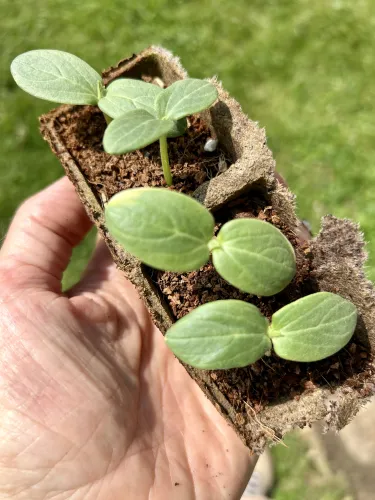
Back at home, a similar dynamic of life (buds, blooms and berries) emerging from death (a cold winter) is playing out in my garden. We have passed our last frost day in Louisville – it was 90 degrees yesterday! – so the time is ripe for getting seeds and seedlings in the ground.
I just put these mini-solar collectors and almost magical energy-producing beings (on right) into the soil this week and I hope they survive the rampages of roaming gangs of squirrels.
You know, our best scientists still can’t replicate photosynthesis, something that these simple cucumbers seedlings accomplish through a complex orchestration of membranes, deployment of thousands of proteins, pigment, and electron carriers, and repair mechanisms. The brilliance of the plant realm is truly astounding.
Pro foraging tip: You can feast on free fruit all over your town or city through Falling Fruit. Falling Fruit shares resident-sourced maps to show where fruit trees are located near you. Some may be ready for the picking right now. It’s online and there’s a handy app, too.
Stay grounded, be well, and see you next week,
andrew
P.S. Here is another update on the legislation in Hawai’i that will counter Citizen’s United and curb corporate and “dark money” influence in politics. Governor Josh Green has signed it into law! You can read about it here.
Learn more and donate to the Hunger Program via our website at pcusa.org/hunger.
You may freely reuse and distribute this article in its entirety for non-commercial purposes in any medium. Please include author attribution, photography credits, and a link to the original article. This work is licensed under a Creative Commons Attribution-NonCommercial-NoDeratives 4.0 International License.